
See What Happens Before the Reveal
Unboxing
Experience Design
We design what the customer sees, 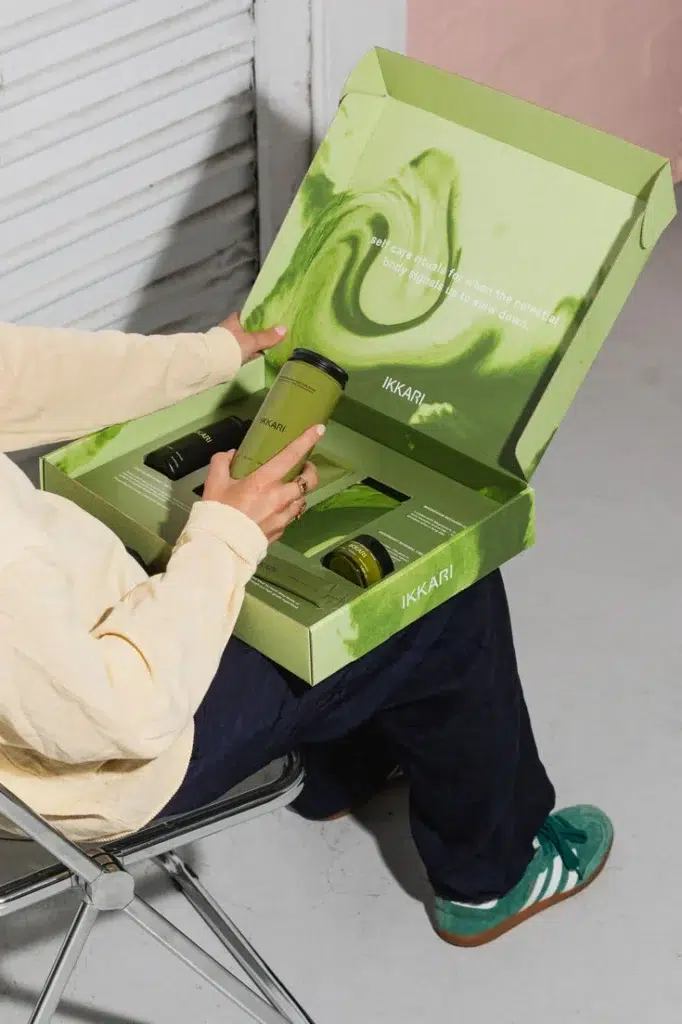 feels, and discovers at every step between
 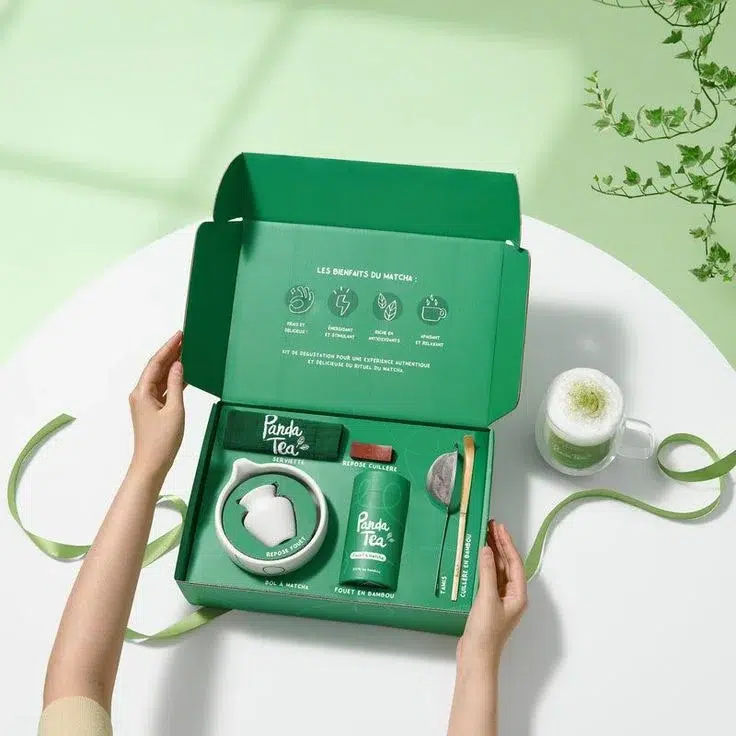 receiving the package and
  reaching the product.
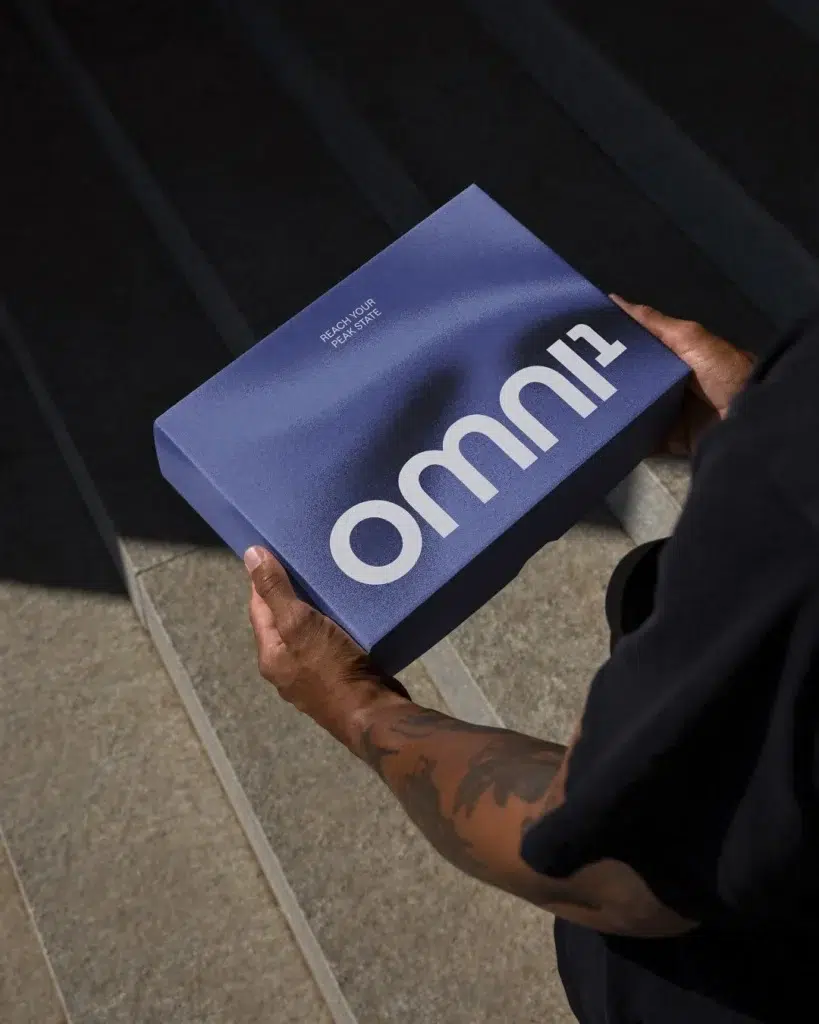
01. What Should the Customer See First?
The first reveal sets the tone for everything that follows.
We decide whether the customer should first see the brand, a message, a wrapped layer, the product itself, or something that builds anticipation before the final reveal.
The goal is to make the sequence feel intentional rather than accidental.
TFX Strategy in Action
For Rinele, a refined luxury experience would benefit from restraint. The first moment should build anticipation around the jewellery rather than reveal everything immediately.
02. What Should Stay Hidden Until Later?
Good unboxing is partly about timing.
If every product, insert, card, and message appears at once, there is no sense of discovery.
We decide what should remain hidden, what should appear first, and how each layer earns its place in the experience.
03. Where Should the Brand Speak During the Experience?
Unboxing creates several opportunities for communication, but not every surface needs a message.
Inside lids, cards, sleeves, tissue, inserts, or compartments can carry instructions, brand beliefs, thank-you notes, or product guidance.
We choose where communication genuinely adds something to the moment.
TFX Strategy in Action
For Uveraa, guidance and clarity are important parts of the experience. Packaging communication can help turn the product into a more understandable daily ritual instead of simply adding decorative copy.
04. How Should the Product Be Revealed?
The product should feel like the destination of the experience.
Its position, orientation, surrounding space, insert, and the moment it becomes visible can change how considered and valuable it feels.
We design the reveal so the product remains the hero rather than competing with the packaging around it.
TFX Strategy in Action
For Crystalicious, the packaging experience can reinforce the modern luxury positioning by giving the product enough space and attention at the moment of reveal.
05. Does Every Layer Actually Need to Be There?
More layers do not automatically create a more premium experience.
Extra tissue, cards, sleeves, ribbons, inserts, and compartments can quickly become unnecessary complexity if they are not solving a clear functional or emotional job.
We question every layer and keep only what improves anticipation, presentation, protection, guidance, or brand experience.
06. What Should the Customer Remember After Everything Is Open?
The unboxing ends, but the impression can continue.
A useful insert, reusable box, thoughtful message, memorable reveal, or simply a beautifully controlled sequence can stay with the customer beyond the first opening.
We design the experience around what deserves to be remembered, reused, or associated with the brand afterward.
TFX Strategy in Action
For premium brands like Rinele or Crystalicious, the packaging can continue reinforcing value even after the product leaves the box.
Inside a TFX Unboxing Experience
Reveal Sequence
We plan what the customer sees first, what stays hidden, and how each step builds toward the final product reveal.
What We Focus On:
- First impression
- Reveal order
- Layer hierarchy
- Product discovery
Experience Architecture
Core
We give every layer, insert, message, and interaction a clear job so the experience feels intentional rather than overdesigned.
What We Build:
- Opening flow
- Product placement
- Messaging moments
- Insert direction
Lasting Impression
We shape what happens after the reveal so the packaging can remain useful, memorable, or connected to the brand beyond the first opening.
What We Shape:
- Reusability
- After-opening experience
- Brand recall
- Keep-worthy elements
Questions Founders Usually Ask
What do you need before starting an unboxing experience project?
We usually need clarity on the product, packaging format, customer journey, brand positioning, primary packaging, gifting or ecommerce context, and any existing production or vendor constraints.
It also helps to know what the customer receives, what should be revealed first, and which parts of the experience already exist.
Is unboxing experience design different from packaging design?
Yes.
Packaging design focuses on how the pack looks, communicates, and functions.
Unboxing experience design focuses specifically on what happens when the customer starts opening it, including reveal order, layers, inserts, messages, product placement, and the final presentation.
The two often work together, but they solve different parts of the customer experience.
Do we need multiple layers to create a premium unboxing experience?
No.
More tissue, sleeves, cards, ribbons, and compartments do not automatically make the experience feel more premium.
Every layer should have a reason to exist, whether that is protection, anticipation, guidance, presentation, or communication.
We would rather remove an unnecessary layer than add one simply because it looks luxurious.
Can you design inserts, cards, inside-lid messages, and product placement?
Yes, these can all form part of the unboxing system depending on the project scope.
We can define the visual direction, hierarchy, positioning, messaging, and how these elements should work together during the reveal.
Final structural engineering and production feasibility for inserts or custom components should be validated with the packaging manufacturer.
Featured Projects
Transformations Exposed
Brand Building Services Only
Not a 360° agency. A focused studio for serious brand foundations.
01
02
03
Packaging Design
Packaging designed to sell on shelves, ecommerce, and quick commerce.
04
Luxury Packaging Design
Premium packaging for brands where perception, detail, and unboxing matter.