
See What Every Surface Can Do
Box
Packaging Design
We design boxes where every 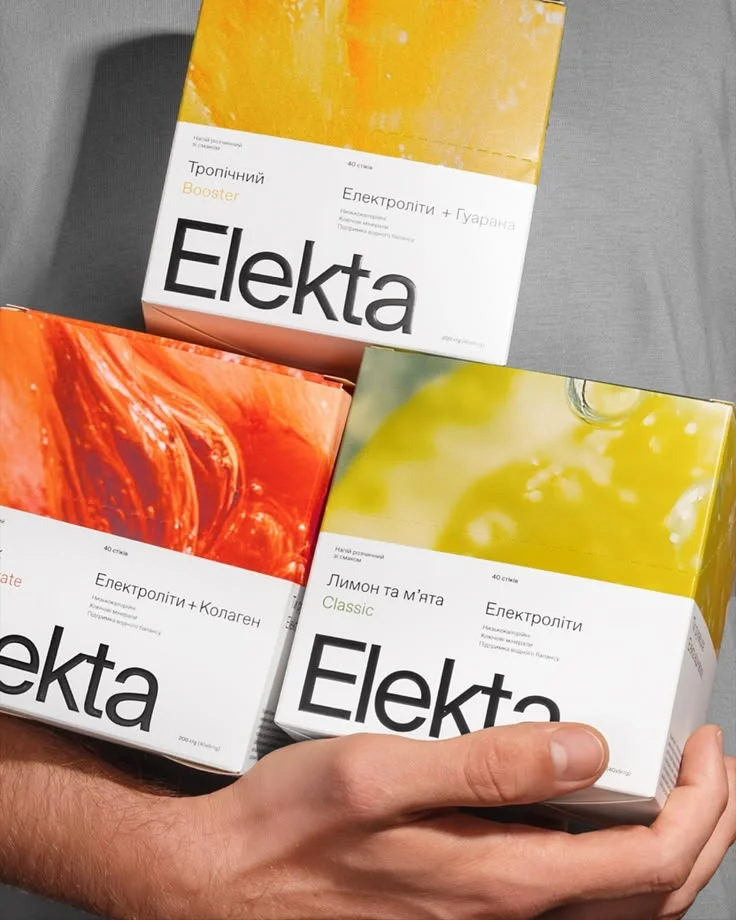 surface has a job, from getting
 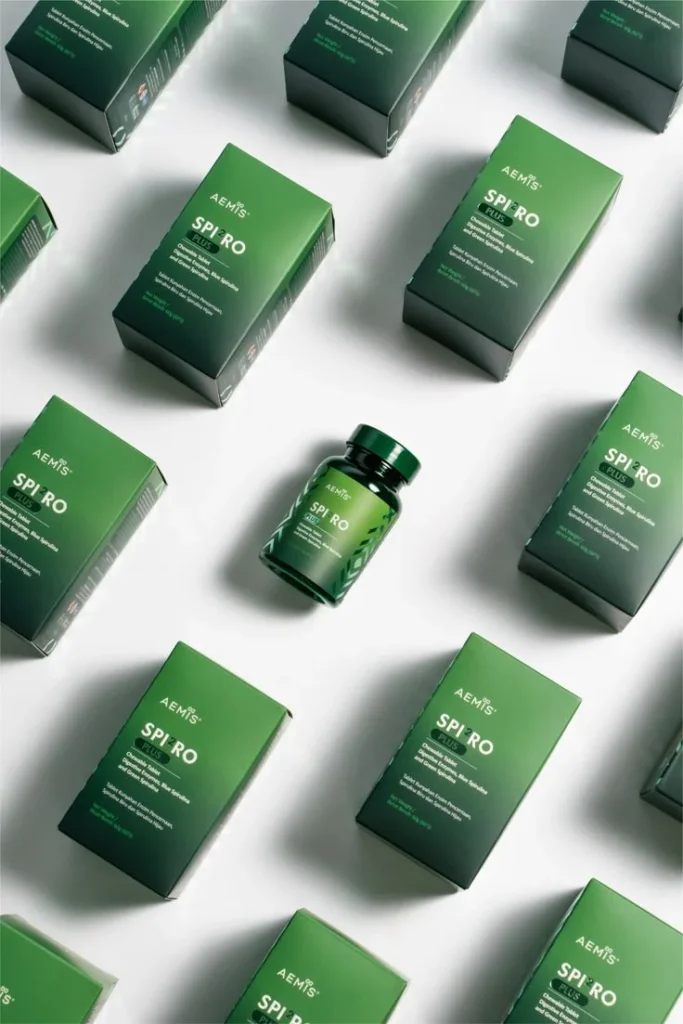 noticed on the outside to guiding the experience
  once it opens.
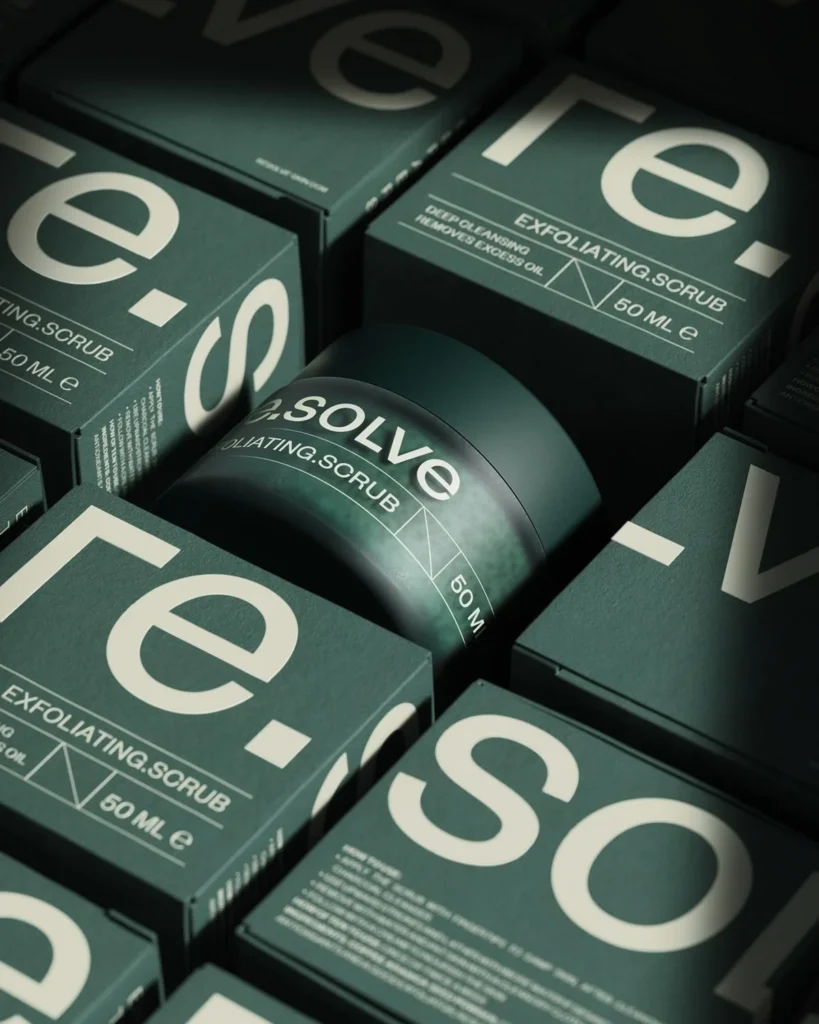
01. What Should the Customer Understand Before Opening the Box?
The outside of the box has to do the first job.
Before anything is opened, the customer should understand the brand, product, variant, and most important reason to care.
We decide what deserves the front panel, what can move to the sides, and what should wait until the customer opens the pack.
02. Does Every Surface Have a Clear Job?
A box gives you more space than a pouch or label, but more space can easily become more clutter.
We build a clear information system across every panel so branding, product information, claims, instructions, and supporting communication do not all fight for attention.
TFX Strategy in Action
For Uveraa, scientific information needed structure and clarity so the packaging could feel intelligent without becoming overwhelming.
03. What Should Happen When the Box Opens?
Opening the box is part of the experience.
The inside can guide the customer toward the product, explain how to use it, reinforce the brand story, or simply make the interaction feel considered.
We decide whether the inside actually needs communication or whether keeping it simple creates a stronger experience.
04. Will the Design Still Work Once It Is Folded?
A flat dieline can look perfect on screen and behave very differently once it becomes a physical box.
Typography can cross folds, important information can move too close to edges, and visual elements can break between panels.
We design with the final folded structure in mind, not just the flat artwork.
TFX Strategy in Action
For packaging systems like Bioticle, product communication needs to remain clear across different surfaces and formats without breaking the brand system.
05. Can the Box System Scale Across Products and Sizes?
One box may become three products, multiple sizes, or an entire range.
We create rules for colour, naming, imagery, claims, and panel hierarchy so future boxes can change without looking like completely different brands.
TFX Strategy in Action
For SSM Masala, multiple products needed enough distinction for navigation while still feeling like one connected family.
06. Is the Artwork Ready for Real Production?
The final design has to work with the actual dieline, print specifications, bleed, safe areas, folds, finishes, and vendor requirements.
We prepare approved artwork around the supplied production specifications so the design can move from screen to manufacturing with fewer surprises.
The final structural dieline and manufacturing specifications should come from the printer or packaging vendor unless structural packaging development is separately included in the project scope.
Inside a TFX Box Packaging Design
Surface Architecture
We decide what every panel needs to do so the box communicates clearly before, during, and after opening.
What We Focus On:
- Front panel priority
- Side panel communication
- Back panel hierarchy
- Inside-box messaging
Dieline Application
Core
We translate the approved visual direction onto the actual box structure so the design works correctly once folded and produced.
What We Build:
- Panel alignment
- Fold consideration
- Safe areas
- Artwork placement
Scalable Box System
We create rules that help the packaging stay consistent across different products, variants, sizes, and future extensions.
What We Shape:
- SKU architecture
- Variant differentiation
- Size adaptation
- Range consistency
Questions Founders Usually Ask
What do you need before starting a box packaging design project?
We usually need the product details, box dimensions or dieline, SKU structure, mandatory information, key claims, and any printer or vendor specifications already available.
If the final structure is still being developed, we can work on the visual direction first, but final artwork should only be prepared once the approved dieline is available.
Do you create the box structure and dieline too?
Our core service is the graphic and visual design of the box.
For most projects, the technical dieline should come from the printer, manufacturer, or packaging vendor responsible for producing the structure.
If custom structural development, engineering, inserts, or material testing are required, that should be scoped separately.
Can you design the inside of the box as well?
Yes, if the inside of the box is part of the approved scope.
That can include inside-lid messaging, usage instructions, product reveal elements, simple brand communication, or other information that improves the opening experience.
We only add inside communication where it genuinely helps the product or brand. Not every surface needs to be filled.
Can one box design system work across multiple SKUs and sizes?
Yes.
We create rules for colour, typography, imagery, naming, claims, and panel hierarchy so the packaging can expand without losing consistency.
That means different products and sizes can remain easy to identify while still looking clearly connected as one brand family.
Featured Projects
Transformations Exposed
Brand Building Services Only
Not a 360° agency. A focused studio for serious brand foundations.
01
02
03
Packaging Design
Packaging designed to sell on shelves, ecommerce, and quick commerce.
04
Luxury Packaging Design
Premium packaging for brands where perception, detail, and unboxing matter.