
Competitor
Analysis
We study 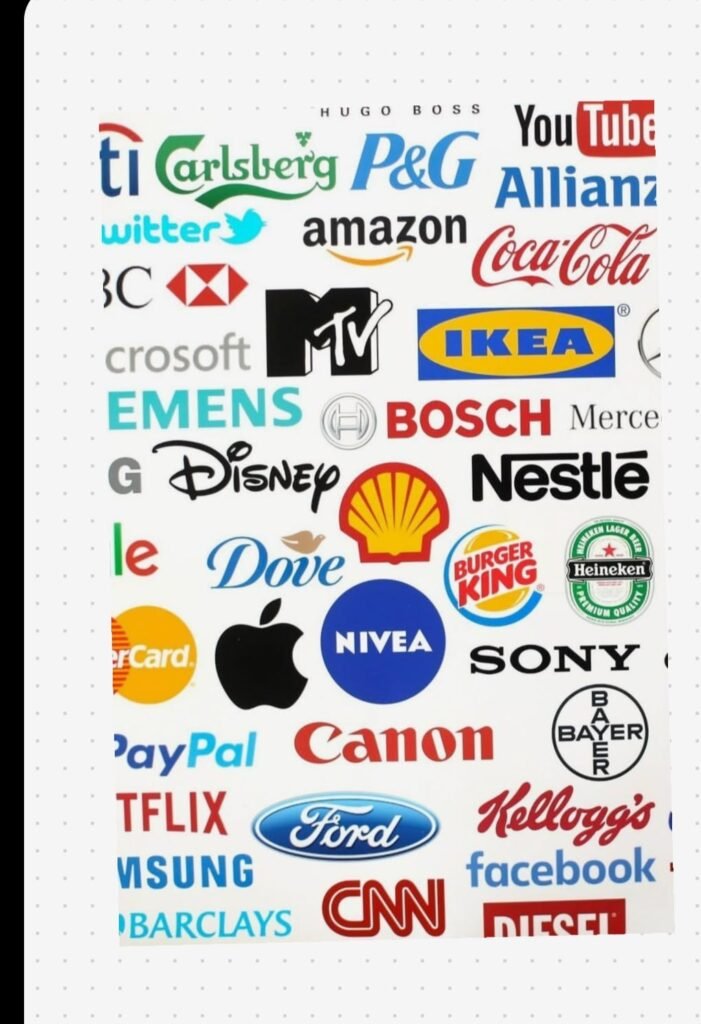 how your category looks, speaks and sells, uncover what
  competitors keep repeating, and find the space
  your brand can credibly own.
01. Who Actually Belongs on the Competitor List?
The obvious competitors are only the starting point. We study direct brands, adjacent alternatives, aspirational references, and businesses competing for the same customer’s attention.
The goal is to understand who actually shapes customer expectations, not simply who sells a similar product.
TFX Strategy in Action
For Uveraa, the landscape extended beyond supplement brands. We also studied personalised nutrition platforms, health diagnostics, and daily wellness systems because that was the larger space the brand needed to enter.
02. What Is the Category Teaching Customers to Expect?
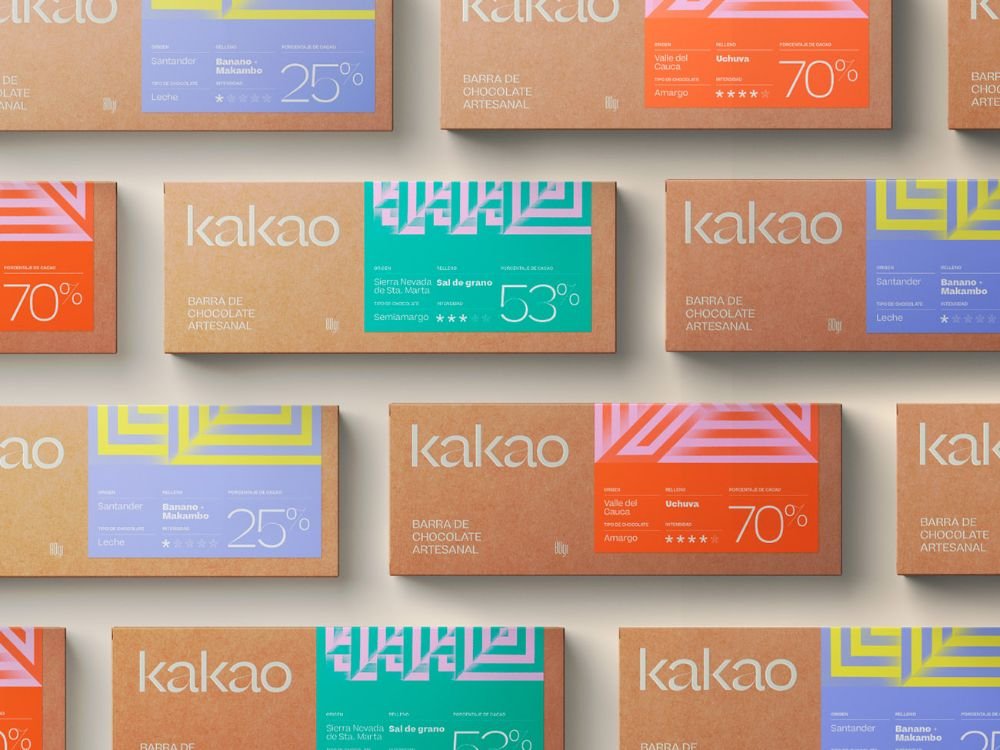
Every category trains customers to recognise certain signals. Colours can communicate science or nature. Packaging can suggest affordability or premium value. Language can make a product feel traditional, modern, clinical, or approachable.
We identify these category codes before deciding which ones the brand should retain and which ones need to change.
TFX Strategy in Action
For Vedful, Ayurveda often appeared traditional, serious, and difficult to include in everyday life. This helped us create a more cheerful and accessible direction built around Ayurveda made everyday.
03. Where Is Every Brand Starting to Look the Same?
Over time, competitors begin repeating the same colours, claims, layouts, benefits, and personalities.
We map these similarities across identity, packaging, websites, and communication to understand where the category has become predictable.
TFX Strategy in Action
In functional wellness drinks, the category frequently communicated in a serious and clinical way. For Burp, this revealed an opportunity to build around playful refreshment and effortless wellness.
04. What Can We Break Without Confusing the Buyer?
Being different is easy. Being different while remaining understandable and trustworthy is harder.
We determine which category conventions customers still need and which ones are making every brand feel interchangeable.
TFX Strategy in Action
Electrolyte brands often sit between medical ORS products and sugary sports drinks. Night Plus needed to retain clear hydration signals while moving away from both familiar category stereotypes.
05. Which Gap Can the Brand Credibly Own?
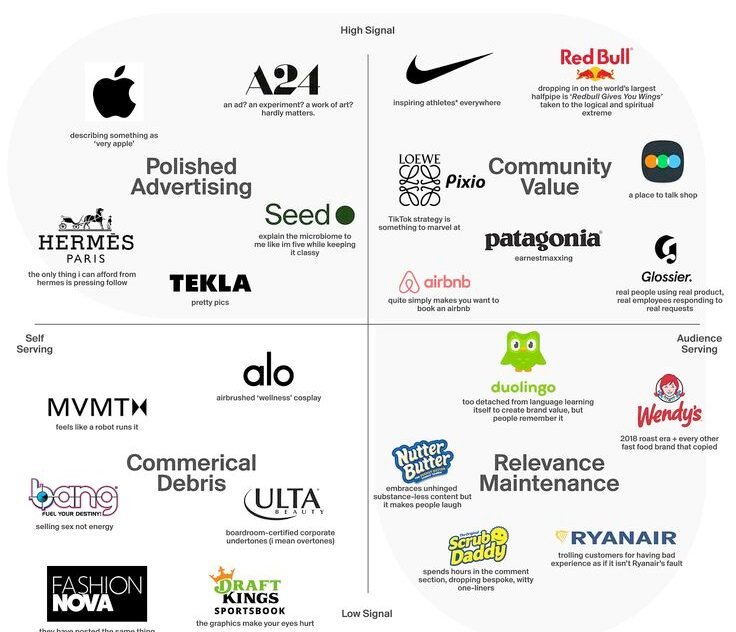
An empty space on a positioning map is not automatically a useful opportunity.
The space must matter to customers, fit the product, feel believable, differ from competitors, and remain relevant as the brand grows.
TFX Strategy in Action
Makhana was often presented through traditional or dieting-led communication. For Yova, the stronger opportunity was to position it as a modern, clean protein snack for everyday consumption.
06. What Will This Change in the Final Brand?
Competitor analysis should not end with screenshots and observations.
The findings should influence the brand’s positioning, story, messaging, personality, creative direction, identity, and packaging.
TFX Strategy in Action
For Rinele, the jewellery category often leaned towards traditional and ornamental branding. The research helped shape a more refined and globally relevant identity with clearer premium distinction.
Inside a TFX Competitor Analysis
Category Landscape
We map the brands actually shaping customer expectations, not just the obvious competitors. This gives us the real competitive picture before strategy begins.
What We Map:
- Direct competitors
- Adjacent alternatives
- Aspirational brands
- Key market positions
Pattern Mapping
Core
We compare how competitors position, speak, design, package, and signal value to identify repetition and crowded territory.
What We Analyse:
- Positioning & promises
- Messaging & tone
- Identity & packaging
- Pricing & perception
Opportunity Direction
We turn the research into strategic opportunities, showing what the brand should retain, challenge, avoid, and potentially own.
What It Defines:
- Category codes to keep
- Patterns to break
- Risks to avoid
- Spaces worth owning
Questions Founders Usually Ask
Why should competitor analysis happen before branding or packaging design?
Because design decisions made without understanding the category can easily repeat what already exists.
Before deciding colours, typography, messaging, packaging hierarchy, or creative direction, we need to know what customers already see repeatedly and what they have learned to expect.
For example, if most electrolyte brands look either medical or performance-heavy, simply designing another blue, technical-looking pack may make the product feel familiar even if the design itself is good.
At TFX, competitor analysis happens during Brand Strategy so creative decisions begin with context, not personal taste.
How do you decide which competitors should be analysed?
We do not only study brands selling the exact same product.
The competitor set can include direct competitors, strong local players, global references, adjacent categories, and brands competing for the same customer’s attention.
For Uveraa, for example, looking only at supplement brands would have given us an incomplete picture. Personalised nutrition platforms and modern wellness systems were also important because they influenced how customers understood personalisation, science, and daily health.
The goal is not to collect the biggest competitor list. It is to identify the brands that actually influence the space your brand wants to enter.
What do you actually analyse beyond logos and packaging?
A proper competitor analysis goes much further than visual references.
We look at positioning, customer promise, messaging, tone of voice, identity, packaging architecture, claims, pricing cues, websites, digital communication, and how customers perceive the brand.
The purpose is to find connections between these elements.
For example, a premium price may be supported by restrained packaging, specific language, ingredient storytelling, or a stronger product ritual. Looking at only the logo would completely miss that.
TFX maps these signals together so we can understand not just how competitors look, but why customers may perceive them the way they do.
What is the difference between competitor analysis and copying what successful brands do?
They are almost opposites.
Copying asks:
What are successful brands doing that we can also do?
Competitor analysis asks:
What is everyone already doing, why is it working, and where should we not become another version of the same thing?
Some category cues should remain because customers rely on them. Others may be so overused that repeating them makes differentiation harder.
That is why our goal is not to make a brand different at any cost. We identify what should be kept, challenged, broken, or owned based on the product and customer.
How does competitor analysis affect the final brand strategy?
It helps narrow the strategic choices before we begin building the brand.
The analysis shows where competitors are clustered, which claims are overused, what customers expect, where differentiation is credible, and which territories may create unnecessary risk.
Those findings can then influence:
- Brand positioning
- Story and messaging
- Personality and voice
- Creative direction
- Identity
- Packaging
For Burp, the functional wellness space often felt serious and clinical. That helped support a very different direction: playful refreshment and effortless wellness.
That is the point of competitor analysis at TFX. The research should change the decisions that follow.
Featured Projects
Transformations Exposed
Brand Building Services Only
Not a 360° agency. A focused studio for serious brand foundations.
01
02
03
Packaging Design
Packaging designed to sell on shelves, ecommerce, and quick commerce.
04
Luxury Packaging Design
Premium packaging for brands where perception, detail, and unboxing matter.