
See What the Screen Demands
E-commerce
Packaging Design
We design packaging to stay clear, 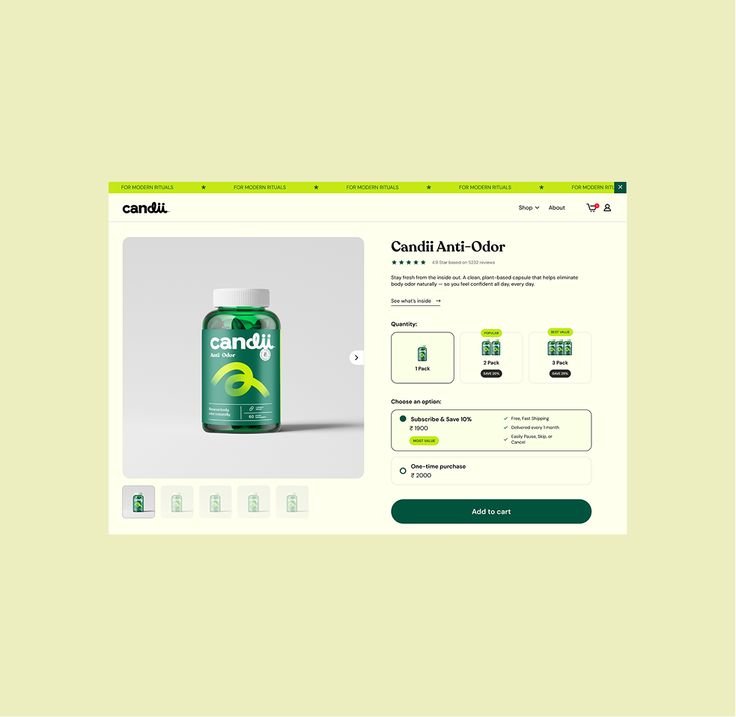 recognisable, and convincing even
 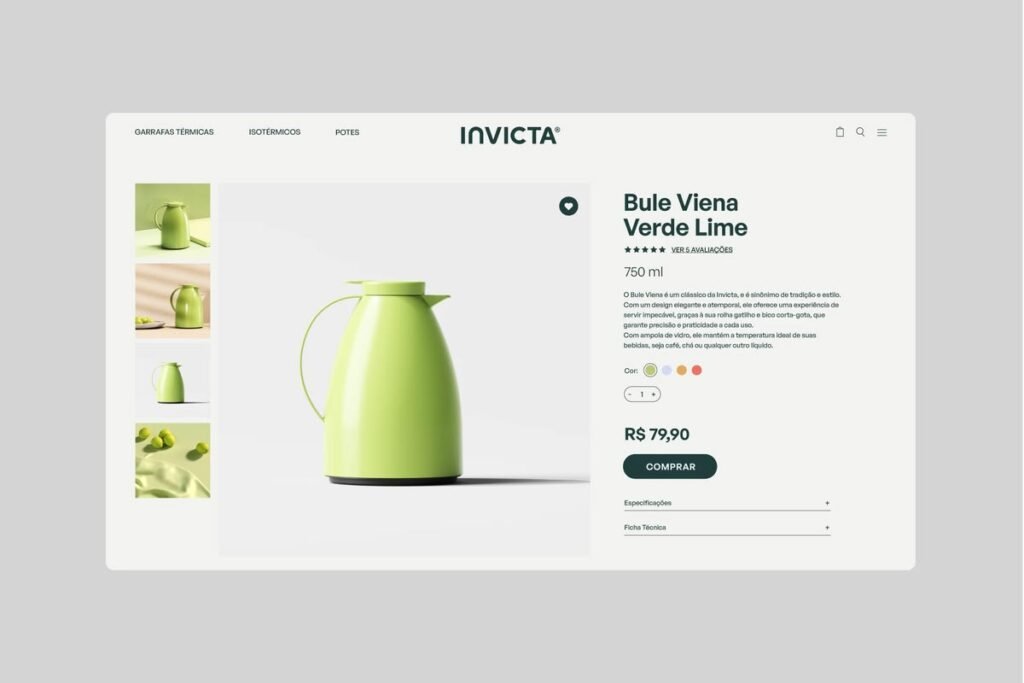 when your customer first sees it as
  a tiny image on a screen.
01. Can the Pack Still Be Recognised at Thumbnail Size?
Online, the customer often sees the pack much smaller than you expect.
If the brand name, product type, or key visual disappears at thumbnail size, the design loses impact before the customer even opens the listing.
We simplify and prioritise the elements that need to stay visible first.
TFX Strategy in Action
For Burp, the pack needed a bold enough visual system to stay recognisable even when reduced inside an online product grid.
02. Can Someone Understand the Product Without Zooming In?
A customer should not need to open every product image just to understand what they are looking at.
We make the product name, variant, key benefit, and strongest claim easier to identify from the first listing image.
This becomes even more important on mobile, where available screen space is much smaller.
03. Which Claims Deserve to Stay Visible Online?
Packaging can contain several benefits, certifications, ingredients, and claims.
But at ecommerce scale, not all of them survive.
We decide which messages deserve priority on the front of the pack and which information can move into supporting listing images or deeper product content.
TFX Strategy in Action
For Uveraa, the challenge was communicating personalised nutrition and science-led credibility without overloading the pack with too much information.
04. Will Your Product Still Look Different in a Crowded Product Grid?
The ecommerce equivalent of a crowded shelf is a page filled with similar product cards.
Customers compare colours, pack shapes, claims, price, ratings, and brand familiarity almost instantly.
We evaluate how the packaging behaves against category competitors and where stronger visual distinction is needed.
TFX Strategy in Action
For Yova, the packaging needed to feel modern and clean while remaining immediately understandable as a snack product.
05. Can Customers Tell Your SKUs Apart Quickly?
Variants that look obvious in a presentation can become confusing once they appear as six small product cards beside each other.
We build SKU systems where flavours, benefits, sizes, or formats remain easy to distinguish without losing overall brand recognition.
TFX Strategy in Action
For Bioticle, multiple product formats needed clear differentiation while remaining visibly connected as one brand.
06. Does the Packaging Work With the Entire Product Listing?
Ecommerce packaging does not work alone.
It sits beside product titles, price, ratings, lifestyle images, ingredient callouts, comparison graphics, and other listing content.
We make sure the packaging creates a strong anchor for the complete product presentation rather than competing with everything around it.
Inside a TFX E-commerce Packaging Design
Thumbnail Recognition
We design the pack so the brand, product, and key visual cues remain identifiable even when reduced to a small product image.
What We Focus On:
- Brand visibility
- Mobile readability
- Product recognition
- Thumbnail clarity
Message Hierarchy
Core
We prioritise what customers need to understand first, so the pack communicates clearly without forcing them to zoom in or open every image.
What We Build:
- Product naming
- Benefit priority
- Claims visibility
- Variant clarity
Listing Consistency
We make sure the packaging works as part of a larger ecommerce system, not just as a standalone pack.
What We Shape:
- SKU differentiation
- Product-grid consistency
- Marketplace presentation
- Range recognition
Questions Founders Usually Ask
What makes packaging work well for ecommerce?
Ecommerce packaging needs to stay clear even when it is viewed as a small image on a mobile screen.
That usually means strong brand recognition, clear product naming, visible key benefits, simple hierarchy, and enough differentiation between variants.
A pack can look great in a presentation and still fail online if the important information disappears at thumbnail size.
Is ecommerce packaging different from retail shelf packaging?
Yes, because the customer sees the product in a different environment.
On a retail shelf, the pack competes physically beside other products.
Online, the pack competes inside a product grid where customers are also looking at price, ratings, reviews, offers, and product titles.
The packaging therefore needs stronger thumbnail recognition and simpler communication at smaller sizes.
How do you decide what should stay visible on the front of the pack?
We prioritise the information that helps the customer understand the product fastest.
Depending on the category, that may include:
- Brand name
- Product type
- Variant or flavour
- Main benefit
- Key claim
- Important functional cue
Secondary information can move to supporting images, back-of-pack content, or deeper product details.
The goal is not to show everything at once. It is to make the first decision easier.
How do you design ecommerce packaging for multiple SKUs?
We build a system where the complete range still looks connected while individual variants remain easy to distinguish.
That can include changes in colour, flavour cues, naming, icons, product imagery, or benefit communication.
The important test is whether customers can tell the difference between SKUs even when all of them appear together as small product cards.
Featured Projects
Transformations Exposed
Brand Building Services Only
Not a 360° agency. A focused studio for serious brand foundations.
01
02
03
Packaging Design
Packaging designed to sell on shelves, ecommerce, and quick commerce.
04
Luxury Packaging Design
Premium packaging for brands where perception, detail, and unboxing matter.