
Brand Positioning
Story + Voice
We define where your brand 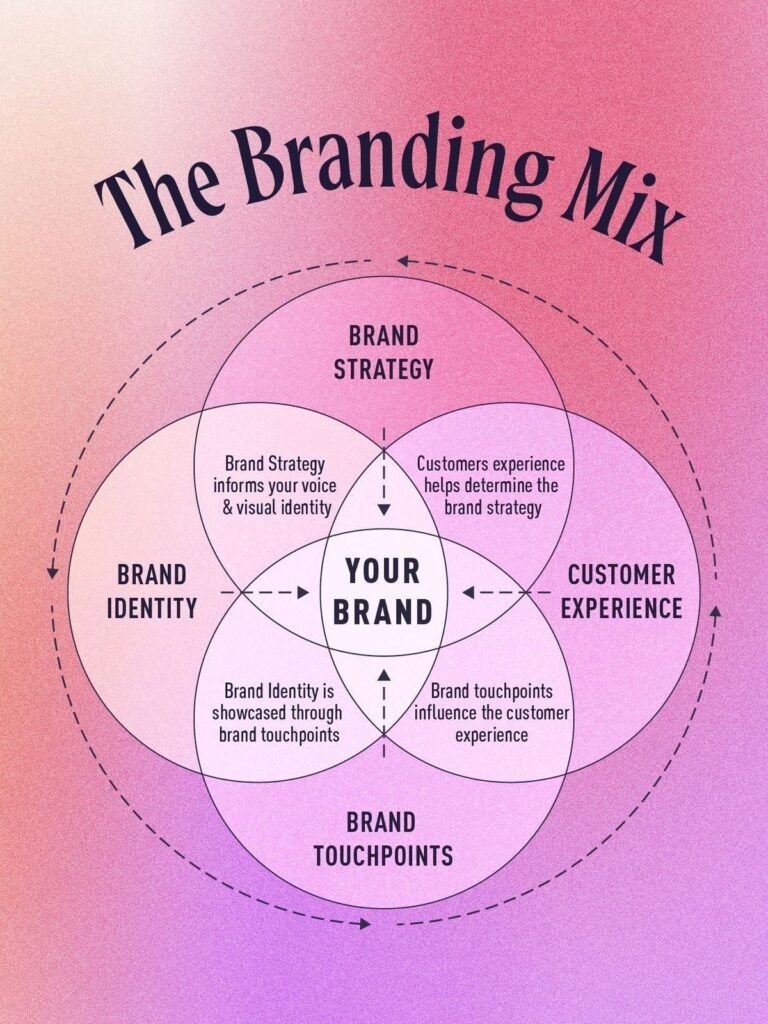 should stand, what it should mean,
  and how it should speak so people understand
  why it matters.
01. Where Should Your Brand Stand?
A brand cannot be everything to everyone. Positioning decides the space your brand should occupy in the customer’s mind, what makes that space relevant, and why the customer should care.
We look at the category, audience, competitors, product truth, and business ambition before deciding what the brand should be known for.
TFX Strategy in Action
For Proquity, the challenge was not simply to look professional. The brand needed to create trust between founders, investors, and bankers while still feeling interesting enough for a modern business platform.
02. What Should People Understand About Your Brand First?
Strong positioning should make the brand easier to explain.
We identify the one idea that needs to become clear before adding taglines, campaigns, features, or creative language. If the core idea is confusing, adding more communication usually makes the problem worse.
TFX Strategy in Action
For Uveraa, the brand needed to be understood as more than another supplement company. The clearer direction was a personalised daily nutrition system built around consistency and individual needs.
03. What Story Makes That Position Believable?
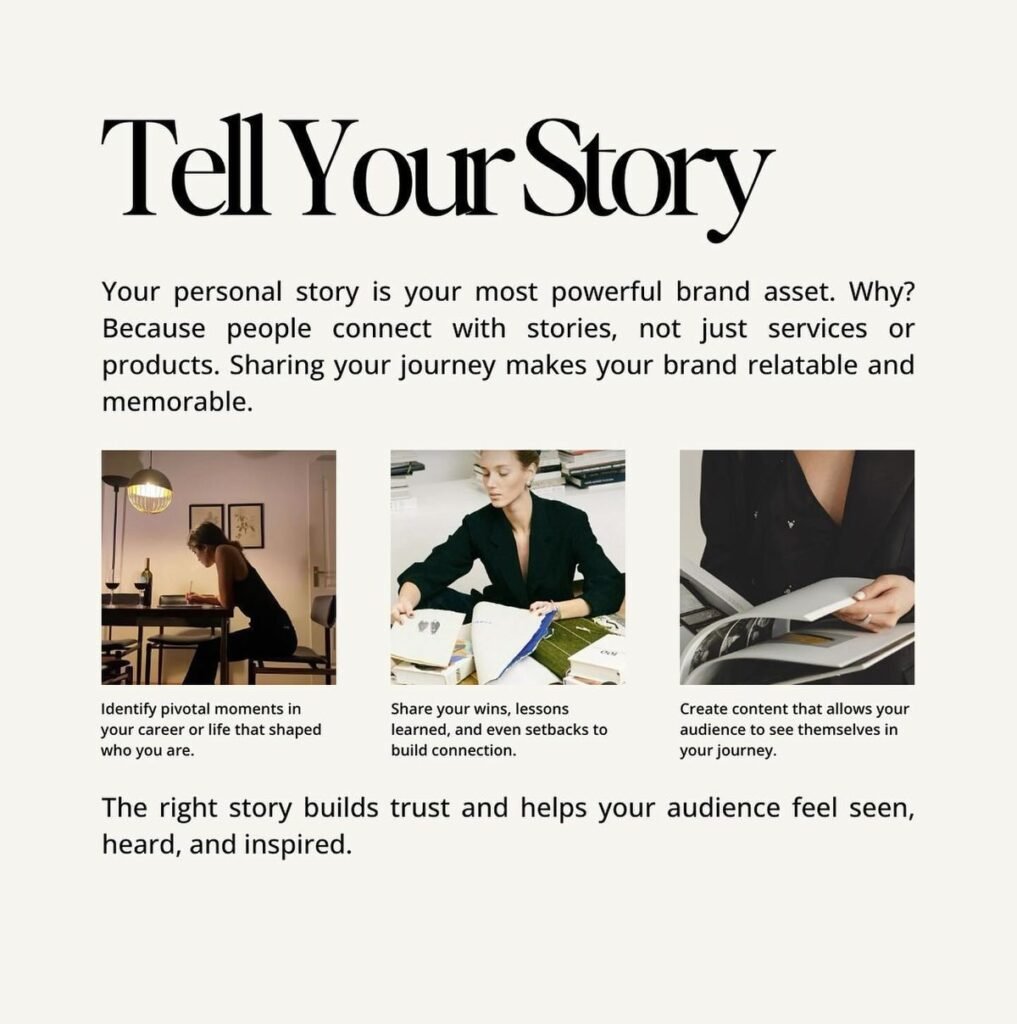
A brand story should not be a dramatic “About Us” paragraph.
It should explain why the brand exists, what problem it sees differently, what it believes, and why its chosen position makes sense.
The story gives the positioning context and makes the brand easier to remember.
TFX Strategy in Action
For Vedful, the opportunity was not to retell Ayurveda in a traditional way. The story needed to make Ayurveda feel relevant to everyday modern life, leading to the direction Ayurveda made everyday.
04. What Should Your Brand Say, and What Should It Stop Saying?
Most categories repeat the same claims until the words lose meaning.
We define the messages the brand should own, the proof that supports those messages, and the language that should be avoided because it sounds generic, exaggerated, or interchangeable.
TFX Strategy in Action
For Burp, communicating only around gut health and functionality would have pushed the brand back into serious wellness language. The messaging needed to balance function with playful refreshment.
05. How Should Your Brand Sound?
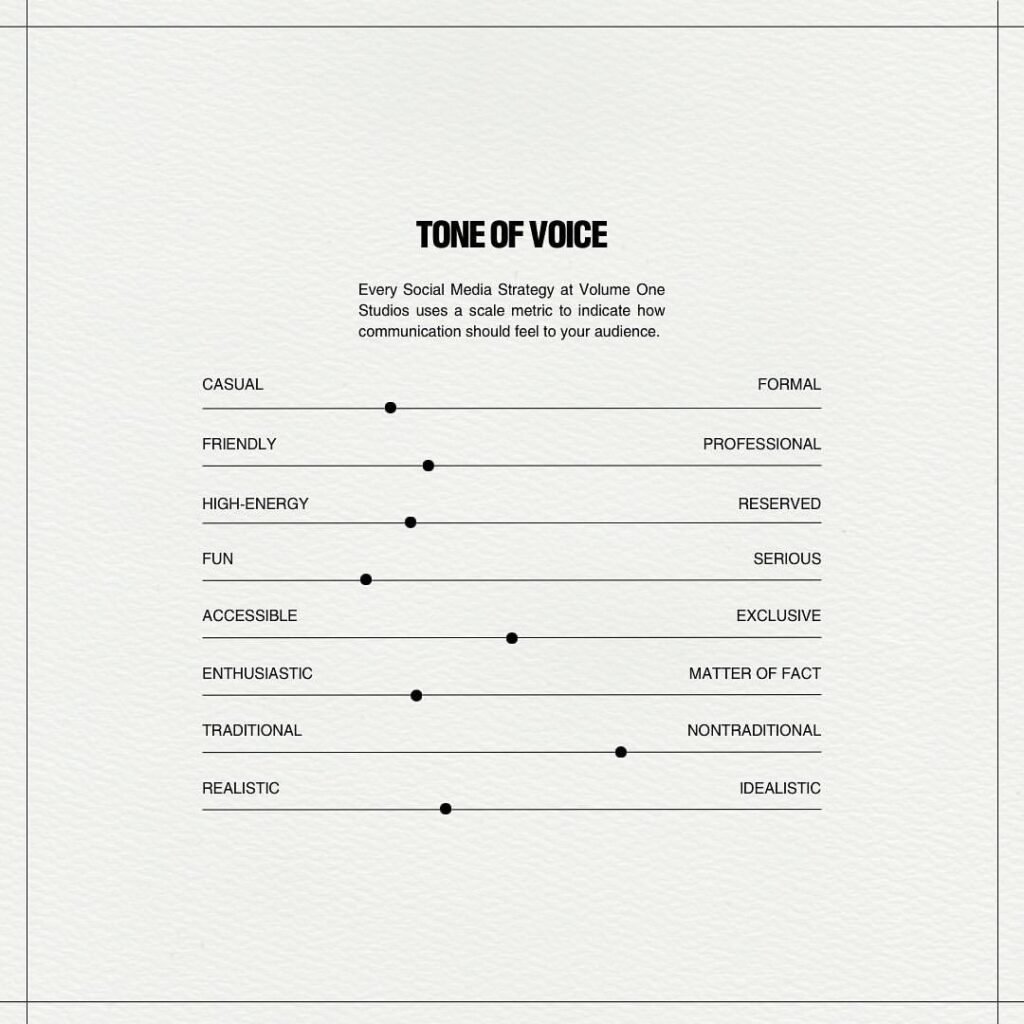
Voice turns strategy into something people can actually recognise.
We decide whether the brand should sound confident, playful, intelligent, warm, direct, refined, rebellious, or something entirely different, then define how that voice changes across different situations.
TFX Strategy in Action
For Rinele, a premium jewellery brand needed a voice that felt refined and contemporary without becoming overly traditional or decorative.
06. How Do Positioning, Story, and Voice Work Together?
These three parts should never live in separate documents.
Positioning defines where the brand stands.
Story explains why that position matters.
Voice determines how the brand expresses it consistently.
Together, they create one direction for websites, pitches, packaging, campaigns, sales communication, and future brand decisions.
TFX Strategy in Action
For Crystalicious, the brand needed to balance modern luxury with a distinctive identity that could eventually extend into a physical retail environment. Positioning, narrative, and expression had to support the same premium perception.
Inside a TFX Positioning, Story + Voice
Brand Positioning
We define the space your brand should occupy, what it should be known for, and why that position matters to the right customer.
What We Define:
- Positioning territory
- Core brand idea
- Customer relevance
- Differentiation
Brand Story
Core
We turn the positioning into a clear narrative around what the brand believes, why it exists, and what makes its point of view worth remembering.
What We Build:
- Brand belief
- Core narrative
- Value proposition
- Messaging direction
Brand Voice
We define how the brand should sound so every message feels consistent, recognisable, and aligned with the positioning.
What We Shape:
- Tone of voice
- Language style
- Words to use
- Words to avoid
Questions Founders Usually Ask
What is brand positioning, and why does it matter?
Brand positioning defines the space you want your brand to occupy in the customer’s mind.
It helps answer questions like:
- What should the brand be known for?
- Why should someone choose it?
- What makes it meaningfully different?
- Which idea should the brand consistently build around?
Without clear positioning, branding often becomes a collection of visuals and messages that look good but do not point in one direction.
At TFX, positioning becomes the foundation for the story, messaging, voice, identity, and packaging decisions that follow.
What is the difference between brand positioning and brand story?
Positioning defines where the brand stands.
Brand story explains why that position exists and why it matters.
For example, a brand may be positioned around personalised daily nutrition. The story then gives that position meaning by explaining the problem with generic nutrition, what the brand believes should change, and why its approach is different.
Positioning gives the brand strategic focus. Story makes that focus easier to understand and remember.
Is brand voice the same as tone of voice?
Not exactly.
Brand voice is the consistent personality behind the communication. Tone is how that voice adjusts depending on the situation.
A brand may always sound intelligent and direct, but the tone could become warmer in customer support, sharper in advertising, or more explanatory on packaging.
We define both so the brand does not sound like a different company every time the format changes.
How do you know what a brand should say?
We do not begin with slogans.
We first understand the audience, category, competitors, product truth, and positioning. From there, we decide which messages are most important, which proof supports them, and which category language should be avoided.
For Burp, talking only about gut health would have made the brand sound like another serious wellness product. The messaging needed to communicate functionality without losing the playful refreshment experience.
That balance comes from strategy, not copywriting alone.
How do positioning, story, and voice affect the final branding?
They give the creative team a clear reason behind every decision.
Positioning affects what the brand should communicate. Story gives the brand meaning and context. Voice determines how those ideas should sound.
Together, they influence:
- Website messaging
- Packaging hierarchy
- Taglines and headlines
- Brand campaigns
- Sales communication
- Identity direction
- Customer experience
The goal is consistency. Different touchpoints can look and sound different while still feeling like the same brand.
Featured Projects
Transformations Exposed
Brand Building Services Only
Not a 360° agency. A focused studio for serious brand foundations.
01
02
03
Packaging Design
Packaging designed to sell on shelves, ecommerce, and quick commerce.
04
Luxury Packaging Design
Premium packaging for brands where perception, detail, and unboxing matter.