
Brand Naming
Tagline + Messaging
We turn strategy into a name 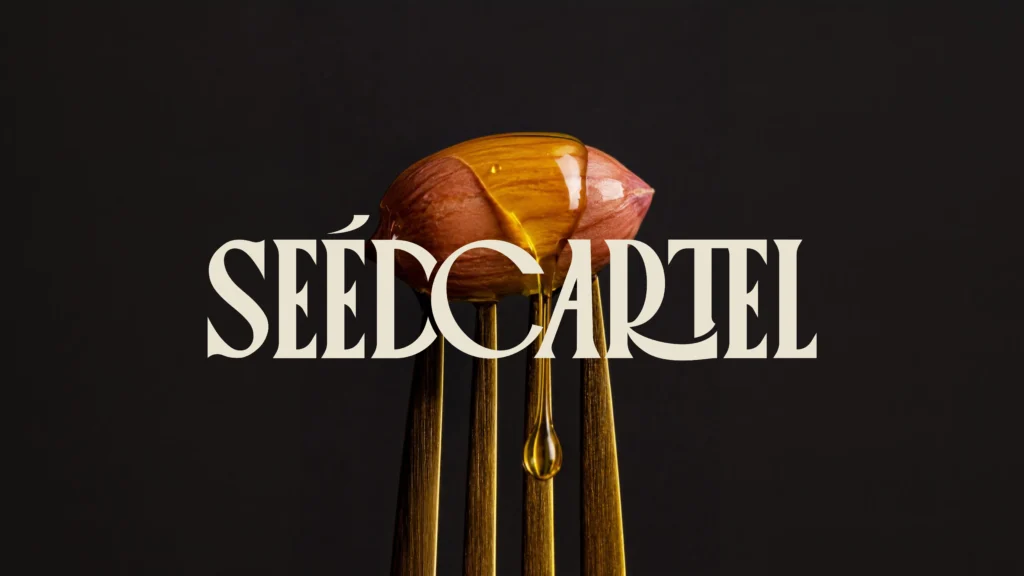 people remember, a tagline that sharpens
 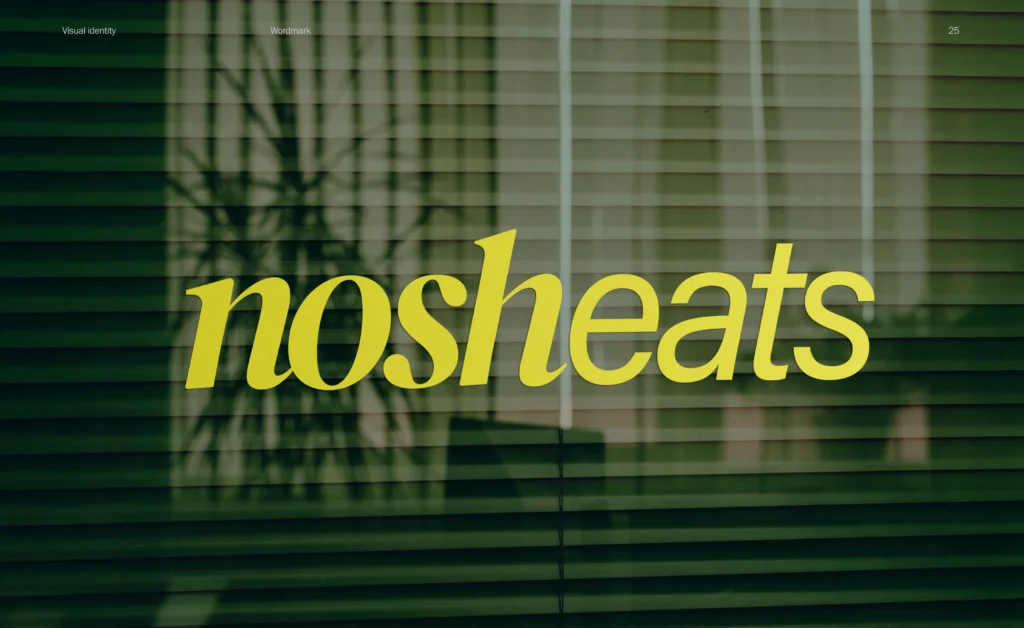 what you stand for, and messaging that makes
  your brand easier to understand.
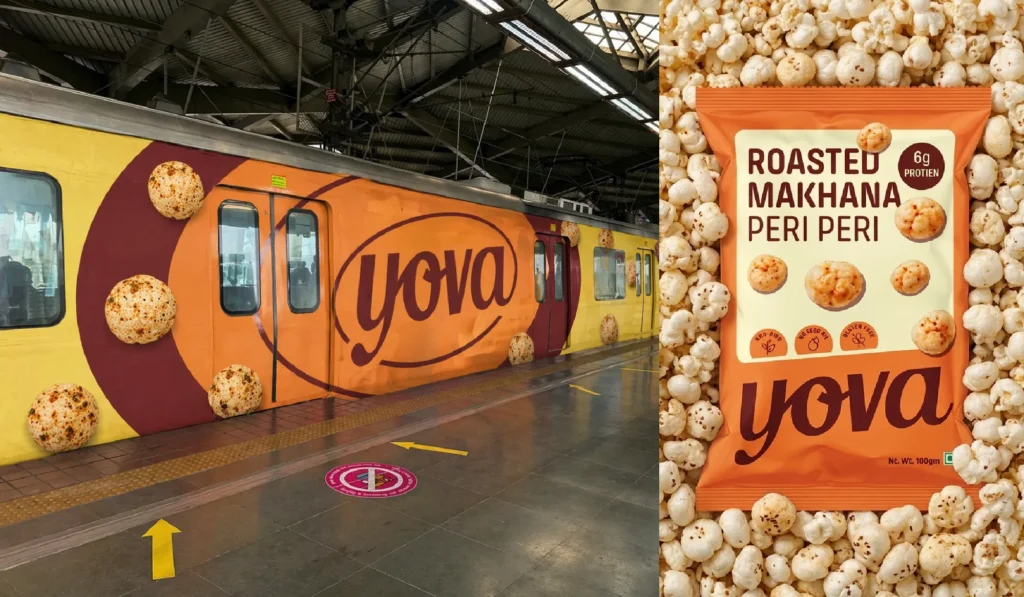
01. What Should the Brand Name Make People Feel or Understand?
A strong brand name should do more than sound good. It should support the positioning, fit the category, connect with the audience, and create the right first impression before the customer knows anything else about the business.
Our brand naming strategy starts by defining what the name needs to communicate, and what it should deliberately avoid.
02. What Makes a Brand Name Worth Owning?
Memorable does not automatically mean strategic.
We evaluate potential names for meaning, distinctiveness, pronunciation, recall, category fit, future relevance, and how naturally the name can become part of the brand’s identity and communication.
A good name should give the business something to build on, not become something the business needs to keep explaining.
03. Can the Name Grow With the Business?
A name may work for the first product and still become restrictive later.
During brand name development, we consider future categories, products, markets, extensions, and positioning so the name does not lock the business into a space it plans to outgrow.
The goal is not simply to name what the company sells today. It is to create enough room for where the brand wants to go next.
04. What Should the Tagline Actually Do?
tagline should not exist because every brand is expected to have one.
It should sharpen the positioning, capture an important belief, explain the value quickly, or give the brand an idea people can remember.
TFX Strategy in Action
For Vedful, the line “Ayurveda made everyday” turned the larger strategic direction into a simple idea that made Ayurveda feel more relevant to modern daily life.
05. What Should the Brand Keep Saying?
Brand messaging is not one clever headline.
We define the core messages the brand should consistently repeat across its website, packaging, sales conversations, campaigns, and future communication.
A clear brand messaging strategy establishes what should be said first, what needs proof, which benefits matter most, and which language should be avoided.
TFX Strategy in Action
For Uveraa, messaging needed to move away from generic supplement communication and reinforce a clearer idea: a personalised daily nutrition system built around consistency, science, and individual needs.
06. How Should the Name, Tagline, and Messaging Work Together?
These should never feel like three disconnected copywriting exercises.
The name creates recognition.
The tagline sharpens the idea.
The messaging explains and reinforces that idea across every important touchpoint.
Together, they form the verbal foundation of the brand.
TFX Strategy in Action
For Burp, the wider messaging direction needed to balance functional wellness with playful refreshment. That helped prevent the brand from sounding like another serious health product.
Inside a TFX Naming, Tagline + Messaging
Brand Naming
We turn the brand strategy into clear naming territories, then evaluate directions for meaning, memorability, relevance, distinction, and future growth.
What We Define:
- Naming territories
- Name directions
- Meaning & relevance
- Shortlist criteria
Tagline Direction
Core
We develop tagline directions that sharpen the positioning and give the brand one simple idea customers can understand and remember.
What We Explore:
- Strategic angle
- Brand belief
- Value expression
- Final tagline direction
Messaging System
We define the messages the brand should consistently communicate, from the main idea to supporting benefits, proof, and everyday brand language.
What We Build:
- Core brand message
- Supporting messages
- Message hierarchy
- Communication direction
Questions Founders Usually Ask
What makes a good brand name?
A good brand name should be memorable, easy to understand or pronounce, relevant to the brand direction, and flexible enough to grow with the business.
But naming is not only about finding something catchy.
At TFX, we first define what the name needs to communicate, which emotions or associations it should create, what competitors already sound like, and where the business plans to go in the future.
The goal is to find a name the brand can build meaning around, not just a word that sounds interesting today.
How do you create a brand name from strategy?
We do not start by generating hundreds of random name ideas.
Brand naming begins with the positioning, audience, category, personality, product truth, and future ambition of the business. From that, we create different naming territories and explore names within the strongest directions.
Each option is then evaluated for factors such as:
- Meaning
- Memorability
- Pronunciation
- Distinction
- Category relevance
- Future scalability
This makes naming a strategic process rather than a brainstorming exercise.
Does every brand need a tagline?
No.
A tagline is useful only when it adds something meaningful to the brand.
It may help clarify the positioning, express a belief, communicate the value quickly, or give customers a simple idea to remember.
For Vedful, the tagline “Ayurveda made everyday” helped make the larger brand direction immediately understandable.
If the brand name and positioning already communicate enough, forcing a tagline can create unnecessary noise.
What is the difference between a tagline and brand messaging?
A tagline is usually one short expression of the brand idea.
Brand messaging is the wider system behind everything the brand communicates.
It can include:
- Core brand message
- Value proposition
- Key benefits
- Supporting claims
- Proof points
- Product messages
- Website language
- Packaging communication
A tagline might appear everywhere, but the messaging system gives the brand enough depth to communicate consistently across different situations.
Do you check trademark and domain availability for brand names?
We conduct preliminary availability checks during the naming process, but final trademark clearance should always be completed by a qualified trademark professional before the name is legally adopted.
Featured Projects
Transformations Exposed
Brand Building Services Only
Not a 360° agency. A focused studio for serious brand foundations.
01
02
03
Packaging Design
Packaging designed to sell on shelves, ecommerce, and quick commerce.
04
Luxury Packaging Design
Premium packaging for brands where perception, detail, and unboxing matter.