
See What the Details Change
Material
& Finish Direction
We define the materials, textures, 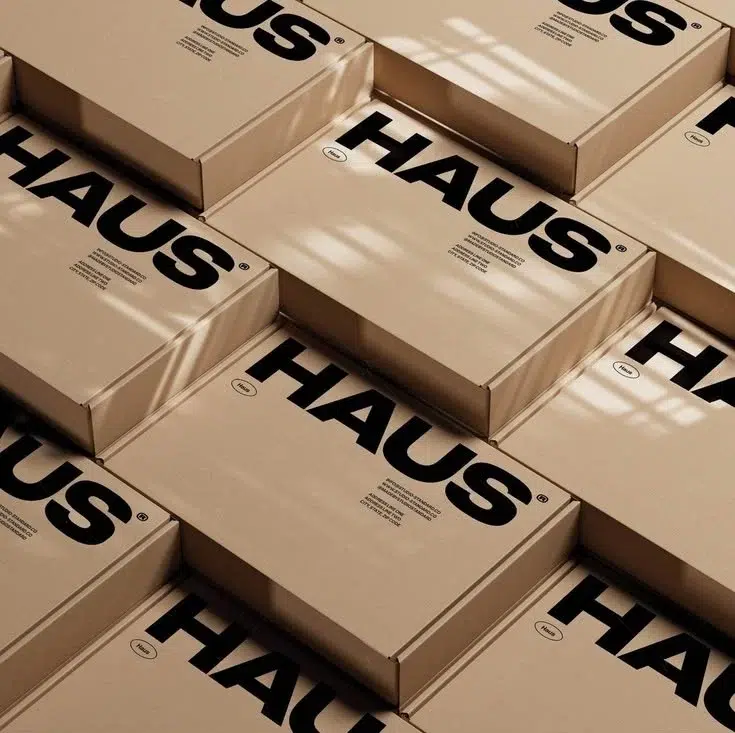 and finishes that make your packaging
 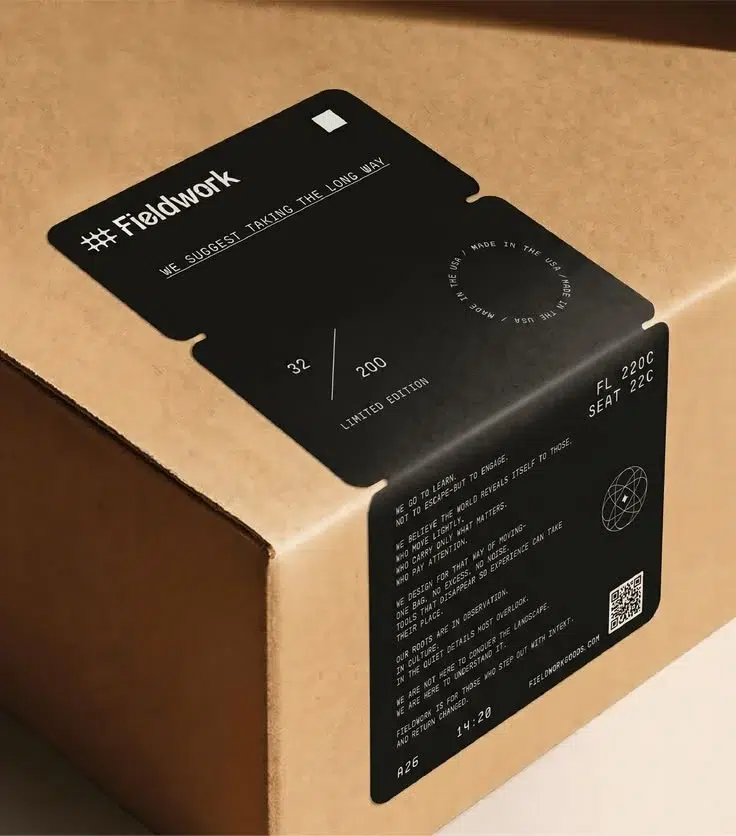 feel as considered as the brand it
  represents.
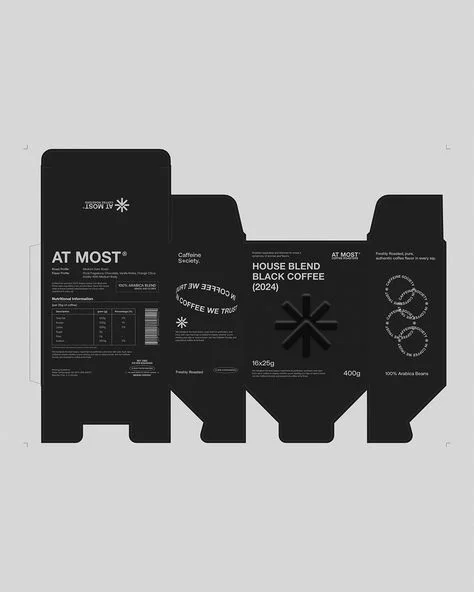
01. Which Material Actually Fits the Brand?
Not every premium brand should use the same paper, board, fabric, metal, or surface treatment.
The right material depends on what the brand should feel like, how the product is positioned, where the packaging will be used, and what customers should perceive when they touch it.
We start with the brand first, then choose the material.
TFX Strategy in Action
For Rinele, refinement matters more than ornamentation. The material direction should therefore feel controlled, elegant, and tactile rather than simply heavy or decorative.
02. Does Heavier Always Mean More Premium?
Not necessarily.
Thickness, weight, and rigidity can influence perception, but they only work when they support the product and the intended experience.
Sometimes a lighter, beautifully finished material can feel more considered than an unnecessarily heavy structure.
We balance perception, handling, practicality, and production reality instead of using weight as a shortcut for luxury.
03. Which Finishes Actually Add Something?
Foil, embossing, debossing, spot UV, texture, metallic ink, coatings, and specialised printing can all create impact.
But using too many at once can make the packaging feel overworked.
We decide which finish deserves attention, where it should appear, and what it should contribute to the brand experience.
TFX Strategy in Action
For Crystalicious, a modern luxury direction benefits more from controlled detailing than from applying premium finishes everywhere.
04. How Will Colour Behave on the Actual Material?
The colour seen on a design screen is not always the colour that appears on textured paper, coated board, foil, fabric, or other physical surfaces.
Material tone, absorption, texture, coating, and print process can all change the final result.
We consider how colour and material work together so the brand does not lose its character when it moves into production.
05. Can the Same Material Language Work Across the Range?
Luxury packaging often expands across different box sizes, bags, sleeves, cartons, inserts, and gifting formats.
Using completely different materials on every format can quickly break the brand experience.
We build a material and finish hierarchy that allows variation while keeping the overall family connected.
TFX Strategy in Action
For a premium range such as Luxury Skincare, the bottle, carton, gifting box, and secondary packaging can change in format while still sharing the same tactile language.
06. Will the Direction Still Work With Budget and Production Reality?
A beautiful material idea is useless if it cannot be sourced consistently, produced at the required quantity, or supported by the project budget.
We consider vendor capability, MOQ, production method, availability, finish limitations, and scalability before locking the final direction.
The goal is not to choose the most expensive option. It is to choose the strongest option the brand can actually produce consistently.
Inside a TFX Material & Finish Direction
Material Strategy
We define which materials best support the brand’s positioning, product type, handling needs, and intended premium perception.
What We Focus On:
- Paper and board direction
- Surface character
- Weight and rigidity
- Material suitability
Finish Direction
Core
We decide which finishing techniques genuinely add value and where they should appear, instead of treating every premium finish as necessary.
What We Build:
- Foil direction
- Embossing / debossing
- Coating and texture
- Print detailing
Production Fit
We make sure the chosen material and finish language can work across formats, quantities, budgets, and real vendor capabilities.
What We Shape:
- MOQ practicality
- Vendor feasibility
- Range consistency
- Production scalability
Questions Founders Usually Ask
What do you need before starting material and finish direction?
We usually need the brand identity, packaging format, product type, target customer, price positioning, estimated quantity, budget range, and any existing printer or packaging vendor information.
If samples or production constraints already exist, they help us make more realistic material decisions from the beginning.
Do you provide actual material samples?
We can define the material and finish direction and recommend the type of papers, boards, textures, coatings, foils, or other treatments that fit the brand.
Physical samples, swatch books, prototypes, and final production samples are usually supplied by the selected printer or packaging vendor.
Where needed, we can review those samples from a design and brand perspective before final production.
How do you decide which finishes are worth using?
Every finish needs a reason.
We look at what the brand should communicate, where attention should go, how the packaging will be handled, and whether the finish genuinely improves perception.
Sometimes one well-placed emboss or foil detail creates more impact than using five premium finishes across the same pack.
Can you work within a fixed packaging budget?
Yes.
Material and finish direction should work within the commercial reality of the brand.
If we know the approximate quantity and budget early, we can make smarter decisions around material grade, number of finishes, printing methods, and where premium detailing will create the most value.
The goal is not to specify something beautiful that the business cannot realistically produce.
Featured Projects
Transformations Exposed
Brand Building Services Only
Not a 360° agency. A focused studio for serious brand foundations.
01
02
03
Packaging Design
Packaging designed to sell on shelves, ecommerce, and quick commerce.
04
Luxury Packaging Design
Premium packaging for brands where perception, detail, and unboxing matter.