
Creative
Direction
We define how your brand should 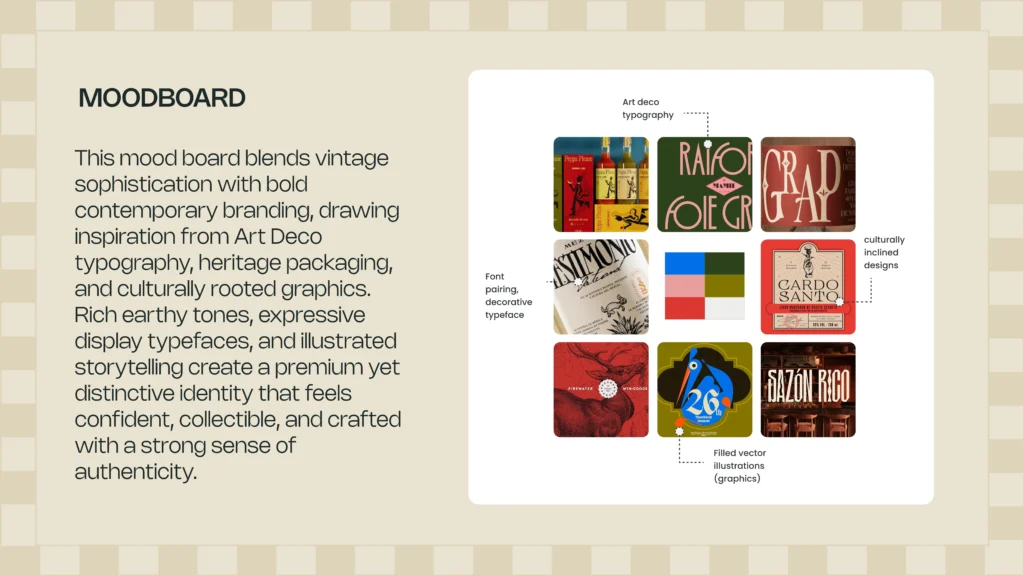 look, feel, and visually behave before
  individual design decisions start pulling
  it in different directions.

01. What Should the Brand Feel Like Before We Design It?
Before choosing colours, typography, photography, or layouts, we define the feeling the brand needs to create.
The positioning, audience, archetype, category, and desired perception help us decide whether the creative direction should feel bold, refined, playful, intelligent, minimal, expressive, or something entirely different.
TFX Strategy in Action
For Uveraa, the visual direction needed to balance science and intelligence with warmth and everyday accessibility. Too clinical would feel cold. Too wellness-led would feel generic.
02. Which Visual Territory Actually Fits the Brand?
A creative direction is not a collection of images we personally like.
We explore different visual territories and evaluate which direction best supports the positioning, audience, personality, and category opportunity.
The goal is to choose a visual world the brand can genuinely own and consistently build from.
03. What Should We Keep From the Category, and What Should We Break?
Every category has familiar visual codes.
Some help customers understand the product quickly. Others have become so repetitive that following them makes the brand disappear into the market.
Our creative direction for branding identifies which visual cues should stay familiar and where the brand has permission to move differently.
TFX Strategy in Action
For Burp, the identity needed to move away from the serious visual language often associated with functional wellness while still making the product feel credible.
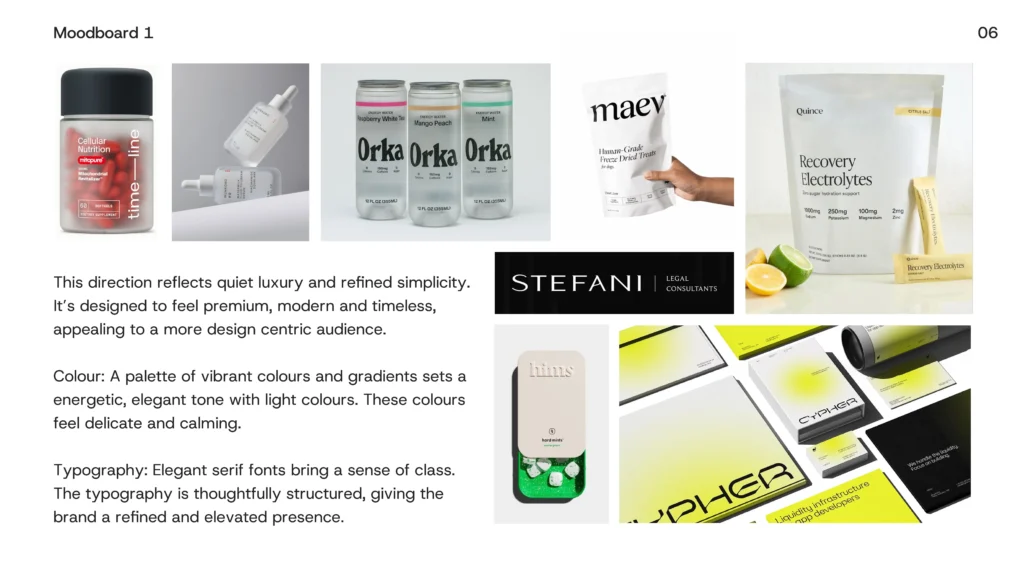
04. How Does a Moodboard Become an Actual Design Direction?
A moodboard is only useful when it gives the design team clear decisions.
We translate references into specific principles for colour, typography, imagery, composition, illustration, graphic behaviour, and overall visual energy.
This turns inspiration into a usable brand creative direction.
05. Can the Direction Work Beyond the Logo?
Creative direction needs to survive across the entire brand, not just one beautiful identity presentation.
We test how the visual direction can extend into packaging, websites, campaigns, social media, photography, print, and future brand assets.
TFX Strategy in Action
For Rinele, the visual world needed to support premium jewellery across identity, communication, and future brand applications without falling into predictable traditional luxury cues.
06. How Does Creative Direction Keep Every Designer Aligned?
As more people work on the brand, visual decisions can quickly become inconsistent.
A defined creative direction gives designers a shared visual language and clear boundaries, helping new assets feel connected even when different people create them.
TFX Strategy in Action
For Proquity, the creative direction needed to balance trust and professionalism with enough contemporary energy for a modern platform connecting founders, investors, and bankers.
Inside a TFX Creative Direction
Visual Territory
We define the overall visual world the brand should belong to before individual design elements are developed.
What We Define:
- Visual mood
- Creative territory
- Reference direction
- Brand energy
Design Principles
Core
We turn the selected direction into clear visual rules so the identity does not depend on personal taste.
What We Shape:
- Colour behaviour
- Typography direction
- Image style
- Composition principles
Brand Expression
We show how the creative direction should extend across identity, packaging, digital, campaigns, and future brand applications.
What It Guides:
- Identity system
- Packaging direction
- Digital expression
- Campaign visuals
Questions Founders Usually Ask
What is creative direction in branding?
Creative direction defines the visual world a brand should consistently build from.
It helps decide how the brand should feel, which visual cues fit the positioning, and how elements such as colour, typography, imagery, composition, and graphic style should work together.
At TFX, creative direction is not just a moodboard. It becomes the bridge between strategy and the final identity system.
What is the difference between creative direction and a moodboard?
A moodboard collects references.
Creative direction explains why those references matter and how they should influence the brand.
A useful direction turns visual inspiration into decisions around:
- Colour behaviour
- Typography
- Photography
- Illustration
- Layout
- Graphic language
- Overall brand energy
The moodboard helps show the feeling. The creative direction turns that feeling into a usable design system.
How do you choose the right creative direction for a brand?
We do not choose a direction based only on what looks good.
The decision comes from the brand positioning, audience, archetype, category, competitor landscape, and the perception the business wants to create.
For Uveraa, the visual direction needed to feel intelligent and science-led without becoming cold or overly clinical. That balance came from the strategy, not personal taste.
Does creative direction affect more than the logo?
Yes.
A strong creative direction should guide the complete visual identity and how it expands across real touchpoints.
It can influence:
- Logo expression
- Colour system
- Typography
- Packaging
- Website design
- Photography
- Social media
- Campaigns
- Print communication
That is why we define creative direction before individual assets begin moving in different visual directions.
Featured Projects
Transformations Exposed
Brand Building Services Only
Not a 360° agency. A focused studio for serious brand foundations.
01
Brand Strategy
Pretty design cannot save a confused brand.
02
Brand Identity Design
A clear visual system built for trust and consistency.
03
Packaging Design
Packaging designed to sell on shelves, screens, and stores.