
See What Keeps It Consistent
Brand
Guideline
We turn your identity 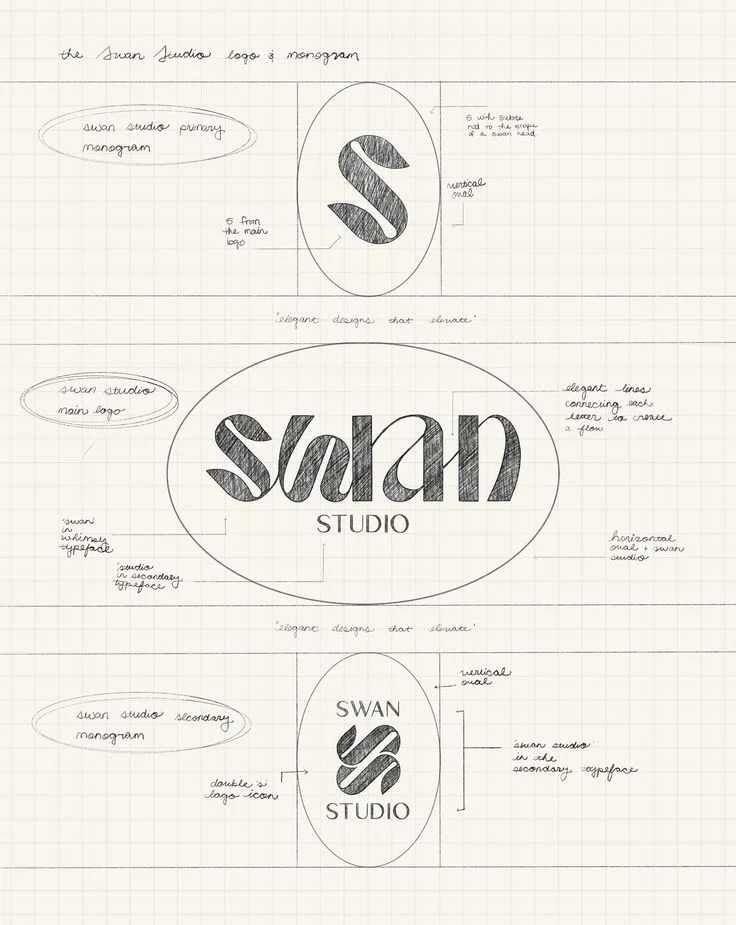 into a clear system of rules
  so every team, vendor, and future brand asset
  stays consistent.
01. What Does the Team Need to Use Correctly Every Time?
Brand guidelines should remove guesswork.
We define the rules around logo usage, color, typography, layout, imagery, and supporting elements so different people can create brand assets without changing the identity every time.
TFX Strategy in Action
For Uveraa, a clear system was important because the brand had to stay consistent across packaging, digital communication, and future health-related touchpoints.
02. Which Rules Should Be Fixed, and Which Ones Should Stay Flexible?
Not every part of the identity should be locked rigidly.
Some elements need strict consistency, while others should allow enough flexibility for campaigns, packaging, social media, and future brand growth.
We define what cannot change and where the creative team still has room to work.
03. How Should the Logo Be Used Across Different Situations?
A logo needs more than a final file.
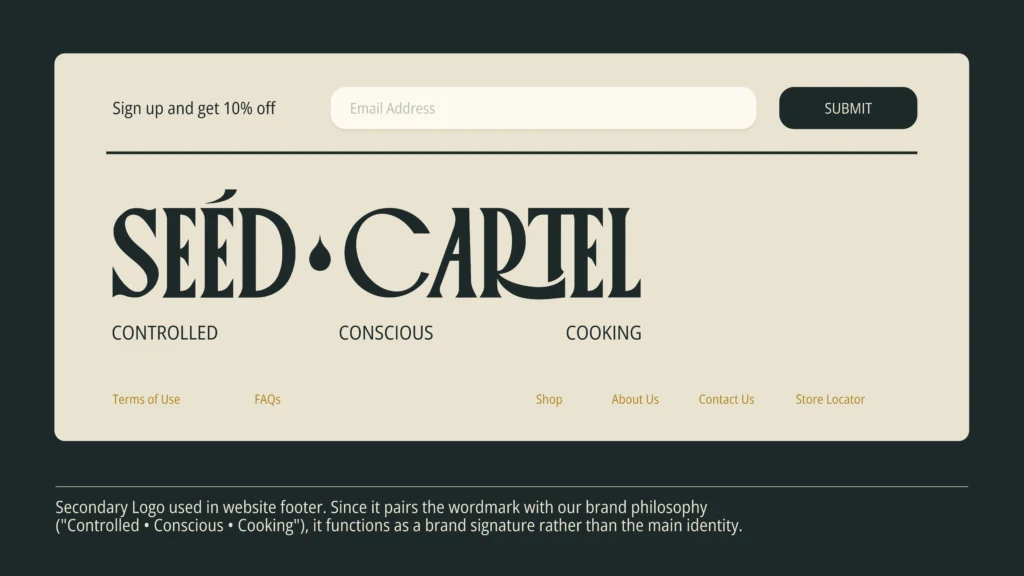
We define clear space, minimum size, approved color versions, background usage, lockups, and incorrect applications so the mark stays recognisable across different formats.
TFX Strategy in Action
For Rinele, the identity needed to remain refined across premium brand applications and smaller jewellery-related touchpoints, so logo usage had to stay controlled and consistent.
04. How Do Color, Typography, and Layout Stay Consistent?
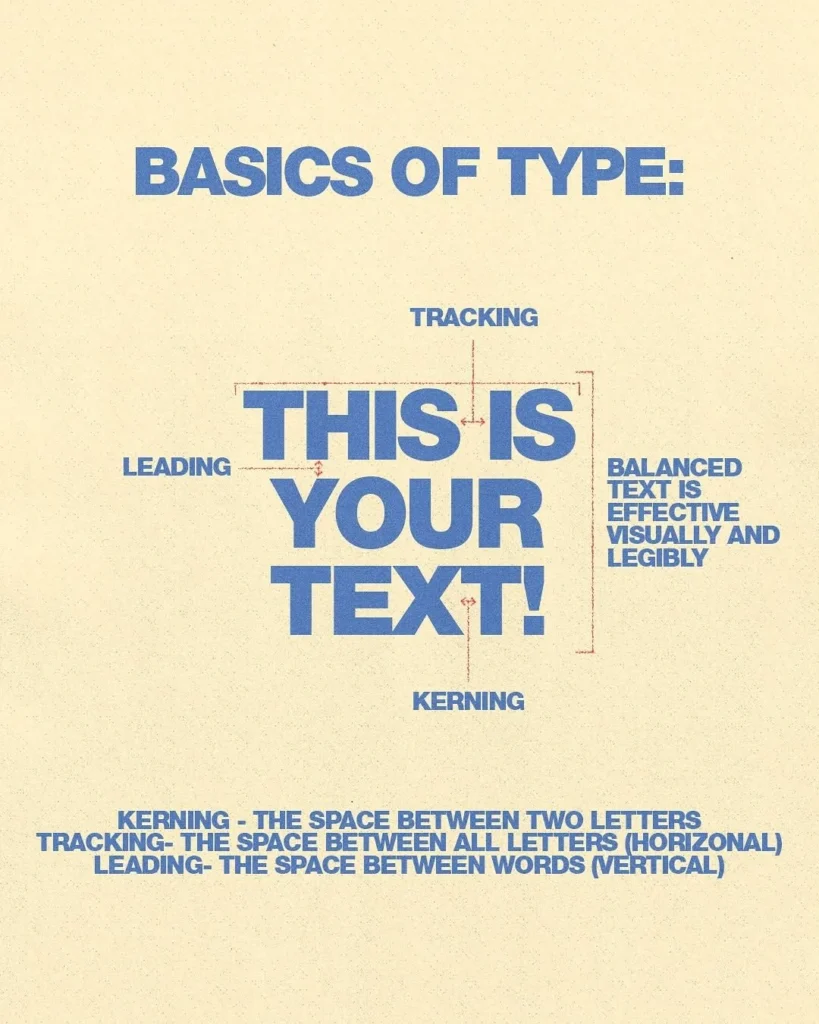
A brand can have the right colors and fonts and still look inconsistent if every designer uses them differently.
We define hierarchy, spacing, combinations, proportions, and layout behaviour so the visual system feels connected across different assets.
05. Can the Guidelines Work for People Who Did Not Build the Brand?
This is one of the most important tests.
The guideline document should be clear enough for an internal team, external designer, printer, packaging vendor, social media team, or future agency to understand and use without constantly asking what is correct.
TFX Strategy in Action
For Proquity, the system needed to support future communication across multiple business touchpoints, so clarity and practical usability mattered as much as the visual design itself.
06. How Do Brand Guidelines Protect the Identity as the Business Grows?
As more people, products, and touchpoints are added, inconsistency becomes easier.
Brand guidelines create a shared reference point so new assets, campaigns, packaging, and extensions can grow from the same visual foundation instead of slowly drifting away from it.
TFX Strategy in Action
For Burp, future packaging variants and communication needed enough flexibility to grow while still feeling unmistakably part of the same brand.
Inside a TFX Brand Guideline
Identity Rules
We document the non-negotiable rules that keep the identity recognisable across every application and team.
What We Define:
- Logo usage
- Clear space
- Color rules
- Typography rules
Usage System
Core
We show how the identity should behave across layouts, imagery, graphic elements, and different brand applications.
What We Build:
- Layout principles
- Image direction
- Graphic usage
- Application examples
Team Handover
We make the guidelines easy for internal teams, designers, vendors, and future partners to understand and use correctly.
What It Supports:
- Internal teams
- External designers
- Packaging vendors
- Future agencies
Questions Founders Usually Ask
What should brand guidelines actually include?
Brand guidelines should explain how the identity needs to be used, not just show the final logo and colors.
Depending on the brand, the document can cover:
- Logo versions and usage
- Clear space and minimum size
- Color system
- Typography hierarchy
- Graphic elements
- Image direction
- Layout principles
- Correct and incorrect applications
At TFX, the goal is to create a practical brand guideline that helps future teams use the identity correctly without constantly referring back to the original designers.
What is the difference between brand guidelines and a brand style guide?
The terms are often used interchangeably, but the depth can be different.
A basic brand style guide may cover the logo, colors, fonts, and a few usage examples.
A more complete brand guideline explains how the wider identity system behaves across different situations, including layout, imagery, graphic language, applications, and consistency rules.
For us, the important question is not what the document is called. It is whether another designer or team can actually use it confidently.
How detailed should brand guidelines be?
More pages do not automatically make better guidelines.
The level of detail should depend on how complex the identity is, how many people will use it, and how many touchpoints the brand needs to manage.
A smaller brand may need a focused system covering the essentials. A growing brand with multiple products, teams, vendors, or markets may require much deeper documentation.
We prefer guidelines that are clear enough to prevent inconsistency without creating unnecessary rules nobody will use.
Why do growing brands need brand guidelines?
When a small team controls every design decision, keeping the brand consistent is easier.
As the business grows, more designers, agencies, printers, marketers, vendors, and internal teams begin creating assets. Without clear brand standards, small inconsistencies slowly become a completely different identity.
Brand guidelines provide one shared reference point so new packaging, campaigns, presentations, digital assets, and future extensions continue to feel connected to the original brand.
Featured Projects
Transformations Exposed
Brand Building Services Only
Not a 360° agency. A focused studio for serious brand foundations.
01
Brand Strategy
Pretty design cannot save a confused brand.
02
Brand Identity Design
A clear visual system built for trust and consistency.
03
Packaging Design
Packaging designed to sell on shelves, screens, and stores.