
See the Brand in Action
Brand
Collateral Design
We turn your brand identity 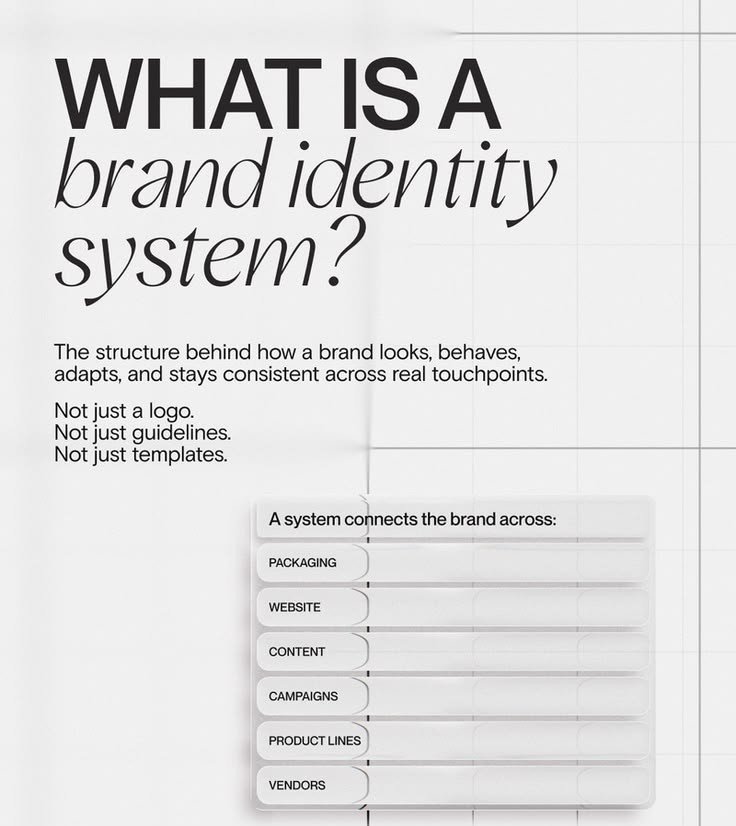 into practical, consistent assets
 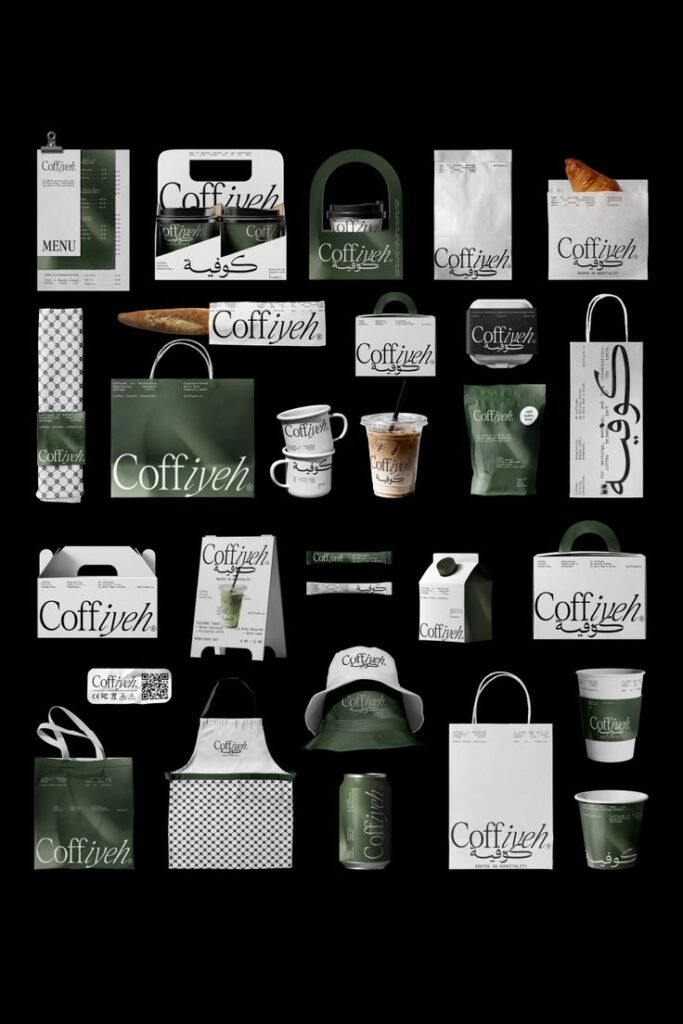 built for the places your business
 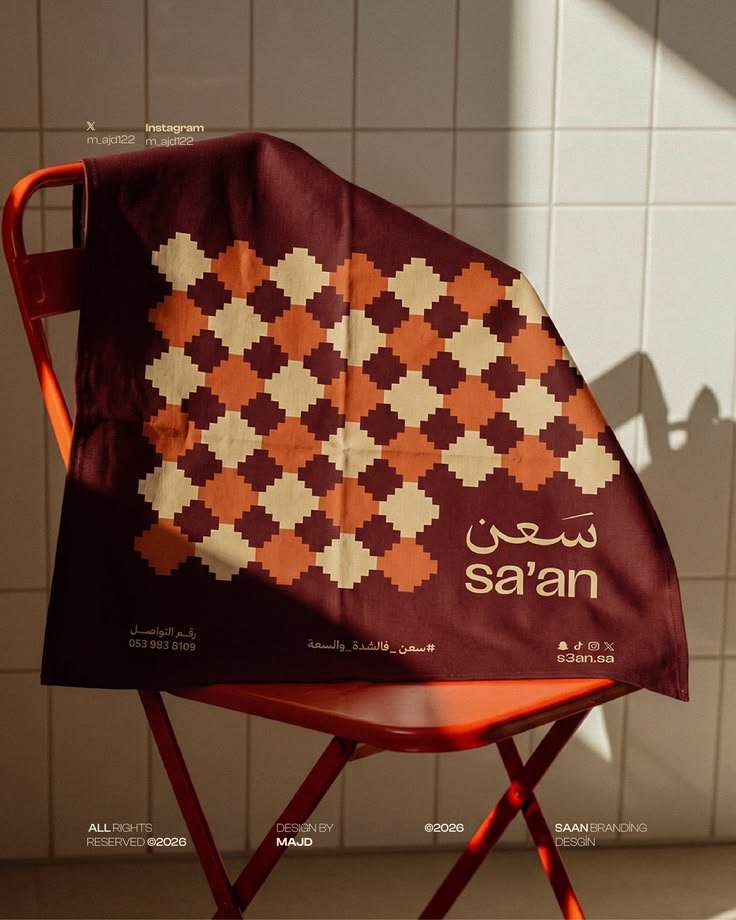 actually needs to show up.
01. Which Brand Collaterals Does Your Business Actually Need?
Not every brand needs the same set of assets.
A D2C brand may need marketplace graphics, sales decks, retail material, and product communication. A service business may need proposals, presentations, stationery, or sales documents.
We first understand where the business communicates with customers, partners, teams, and investors, then decide which collateral is actually worth designing.
TFX Strategy in Action
For Proquity, the brand needed to communicate credibility across founders, investors, and bankers, so business-facing communication assets mattered far more than creating decorative stationery just for the sake of it.
02. What Should Each Collateral Help the Brand Do?
A brochure, pitch deck, business card, menu, or social template should not exist only to carry the logo.
Every collateral has a job, whether that is explaining, selling, presenting, building trust, guiding, or helping someone remember the brand.
We define that purpose before designing the asset.
03. How Do We Apply the Identity Without Making Everything Look the Same?
Consistency does not mean copying one layout everywhere.
We use the same brand colors, typography, graphic language, imagery, and design principles while adapting the composition to suit each format and communication need.
The goal is for every asset to feel related without becoming repetitive.
TFX Strategy in Action
For Rinele, premium brand applications needed to feel consistently refined while still allowing different formats to have their own purpose and visual balance.
04. What Information Should People Notice First?
Good collateral design is also information design.
We decide what deserves attention first, what supports it, and what can remain secondary so the customer does not have to fight through clutter to understand the message.
This is especially important for presentations, brochures, menus, sales documents, retail material, and product communication.
05. How Does the Brand Stay Consistent Across Print and Digital?
A brand may appear on a printed card today and a presentation, social asset, or digital document tomorrow.
We adapt the visual identity to different dimensions, production requirements, screens, materials, and formats while protecting the same overall brand character.
TFX Strategy in Action
For Uveraa, the identity needed enough structure to stay coherent across product communication, digital touchpoints, and future brand applications without feeling like separate visual systems.
06. Can the Collateral System Grow Without Us Designing Everything Forever?
A strong collateral system should make future execution easier.
Instead of creating isolated assets with no relationship to one another, we establish reusable visual principles that internal teams and future designers can extend into new communication.
The aim is not dependence on one designer. It is a brand system capable of growing consistently.
TFX Strategy in Action
For Burp, a flexible visual language helps future communication and product-related applications retain the same playful personality as the brand expands.
Inside a TFX Brand Collateral Design
Collateral Planning
We identify which brand assets actually matter based on how the business sells, communicates, presents, and interacts with customers.
What We Define:
- Priority touchpoints
- Required assets
- Communication purpose
- Information hierarchy
Collateral System
Core
We translate the brand identity into a flexible design system that can adapt across different print and digital formats.
What We Build:
- Layout principles
- Visual consistency
- Content hierarchy
- Reusable design rules
Real-World Application
We design each collateral for its actual environment, audience, format, and production needs, not just for presentation mockups.
What It Covers:
- Print materials
- Sales assets
- Digital collateral
- Business communication
Questions Founders Usually Ask
What is included in brand collateral design?
Brand collateral can include any branded asset used to communicate, present, sell, or support the business.
Depending on the brand, that may include:
- Business stationery
- Pitch decks
- Brochures
- Sales documents
- Menus
- Retail materials
- Presentation templates
- Social templates
- Event assets
- Branded communication pieces
At TFX, we do not create the same fixed collateral package for every business. We first understand where the brand actually needs to show up, then design the assets that matter most.
Is brand collateral the same as marketing collateral?
Not exactly.
Brand collateral is broader. It includes the branded materials a business uses across communication, sales, internal use, presentations, retail, and customer-facing touchpoints.
Marketing collateral is usually more campaign or promotion focused.
A pitch deck, business card, proposal, menu, sales sheet, or presentation system may not always be marketing material, but it is still part of the brand’s wider collateral system.
Do we need every possible collateral designed at once?
No.
Designing everything at once usually creates unnecessary cost and work.
We prefer to prioritise the assets the business actually needs now, then build them using a visual system that can be extended later.
A growing startup may need a pitch deck and presentation system first. A consumer brand may need retail or sales material. A service business may need proposals, documents, and stationery.
The right collateral depends on how the business operates.
How do you keep different brand collaterals consistent?
Consistency comes from the identity system, not from making every asset look identical.
We use the same brand colors, typography, imagery, graphic language, layout principles, and hierarchy while adapting the design for different formats.
This allows a brochure, presentation, retail asset, and digital document to serve different purposes while still feeling like the same brand.
Featured Projects
Transformations Exposed
Brand Building Services Only
Not a 360° agency. A focused studio for serious brand foundations.
01
Brand Strategy
Pretty design cannot save a confused brand.
02
Brand Identity Design
A clear visual system built for trust and consistency.
03
Packaging Design
Packaging designed to sell on shelves, screens, and stores.